
Why Pet Travel Planning Matters in 2025
Traveling with pets is more popular than ever as increasing numbers of pet parents seek to bring their animal companions along on holidays, moves, and road trips. But while it’s enticing to seize the vision of that holiday with your pet, the nuts and bolts of traveling with a four-legged tourist can pretty swiftly become demanding. In 2025, as travel rules evolve, increasing numbers of pet-friendly accommodations become accessible, and larger numbers of airlines welcome pets on board, clever planning for travel is more vital than ever.
Proper planning ensures that you and your pet enjoy a stress-free and enjoyable trip. With the increased popularity of pet travel, the following are some reasons why meticulous planning can make or break your trip:
- Health and Safety Compliance: Legislation is constantly changing, especially when it comes to worldwide travel. Failure to meet certain health or vaccination certification requirements can prevent you from boarding a plane or crossing borders abroad.
- Less Stress: Travel itself is stressful, not just for you but even for your pet. Knowing in advance what will happen can mitigate stress, and taking the lead ahead of time allows both you and your pet to relax and enjoy the travel.
- More Pleasant Boarding and Accommodation Processes: Booking pet-friendly accommodations and researching pet travel policies in advance can prevent last-minute frustrations and allow your pet to enjoy the trip as much as you can.
- Legal Entry into Foreign and Domestic Destinations: Any country or state will have different legalities regarding traveling animals, especially in the context of quarantine requirements and vaccinations. Preparations prior to departure avoid any blind spots.
✅ Ultimate Pet Travel Checklist 2025
A master list is your go-to for ensuring every aspect of your pet’s travel is being covered. From health documents to comfort items, packing can become a chaotic mess unless you apply a systematic solution.
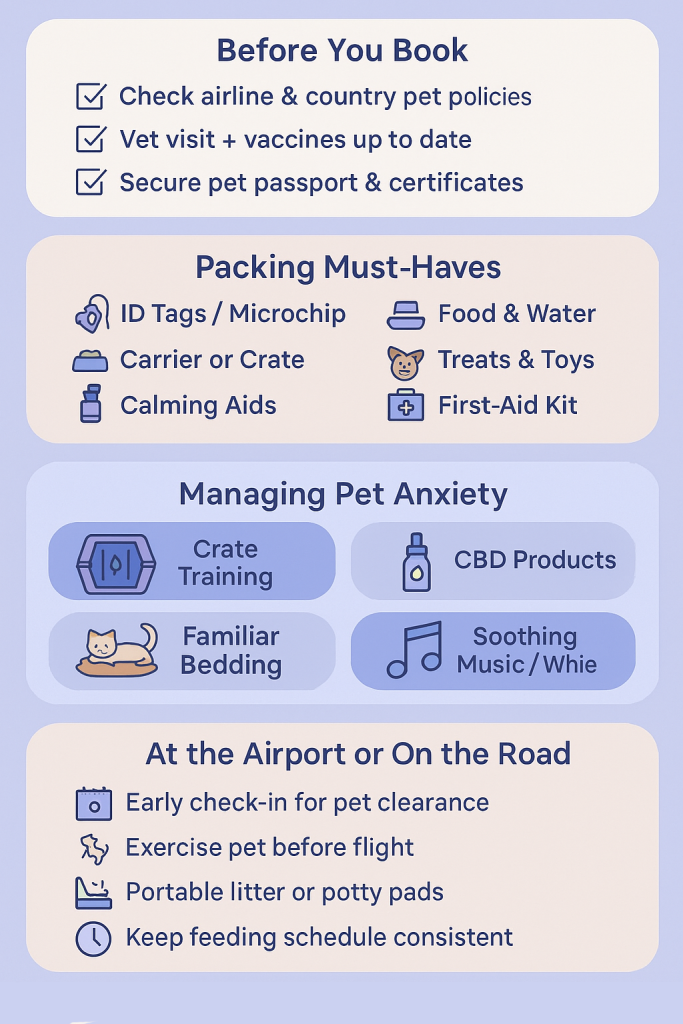
Following is a comprehensive breakdown of what you need to pack in your Ultimate Pet Travel Checklist for 2025:
Travel Documents
Pet Passport: When traveling internationally, ensure that your pet is in possession of an up-to-date pet passport. In the US, traveling pets internationally will need a rabies vaccination certificate, microchip data, and whatever other certifications are needed by the country being visited.
Travel Health Certificate: Typically required by airlines and customs officials, this certificate ensures that your pet is in good health to travel and is up-to-date on shots.
Flight Booking & Confirmation for Pets: Always confirm that your pet’s flight has been booked and accepted by the airline. There are only a few spaces available in some airlines for pets, and therefore early booking is essential.
Health and Medical Items
Prescription Medications: Include any medication your pet might need, like anxiety or motion sickness medication.
Flea & Tick Prevention: Treat your pet with the proper flea and tick prevention products a few weeks prior to traveling.
Veterinarian Contact Information: Keep the contact information of your vet with you, particularly if traveling overseas, where it might be challenging to describe symptoms due to language differences.

Comfort & Familiar Items
Favorite Toys/Blanket: The familiar smells and objects can be comforting to your pet while traveling.
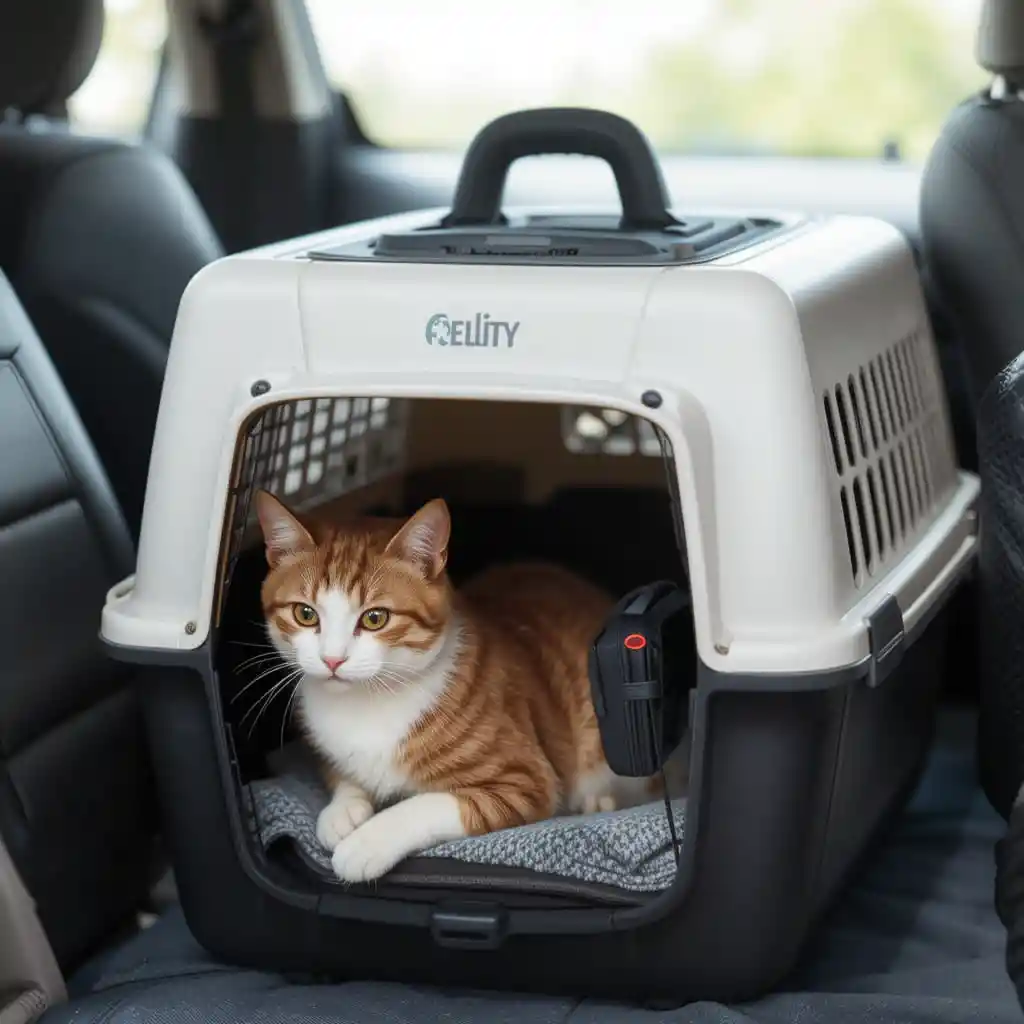
Crate or Carrier: Your crate should be safe, well ventilated, and large enough so that your pet can stand up, turn around, and lie down.
Food and Water
Food & Treats: Carry enough of your pet’s regular food for the trip, in case travel spaces don’t have your brand available.
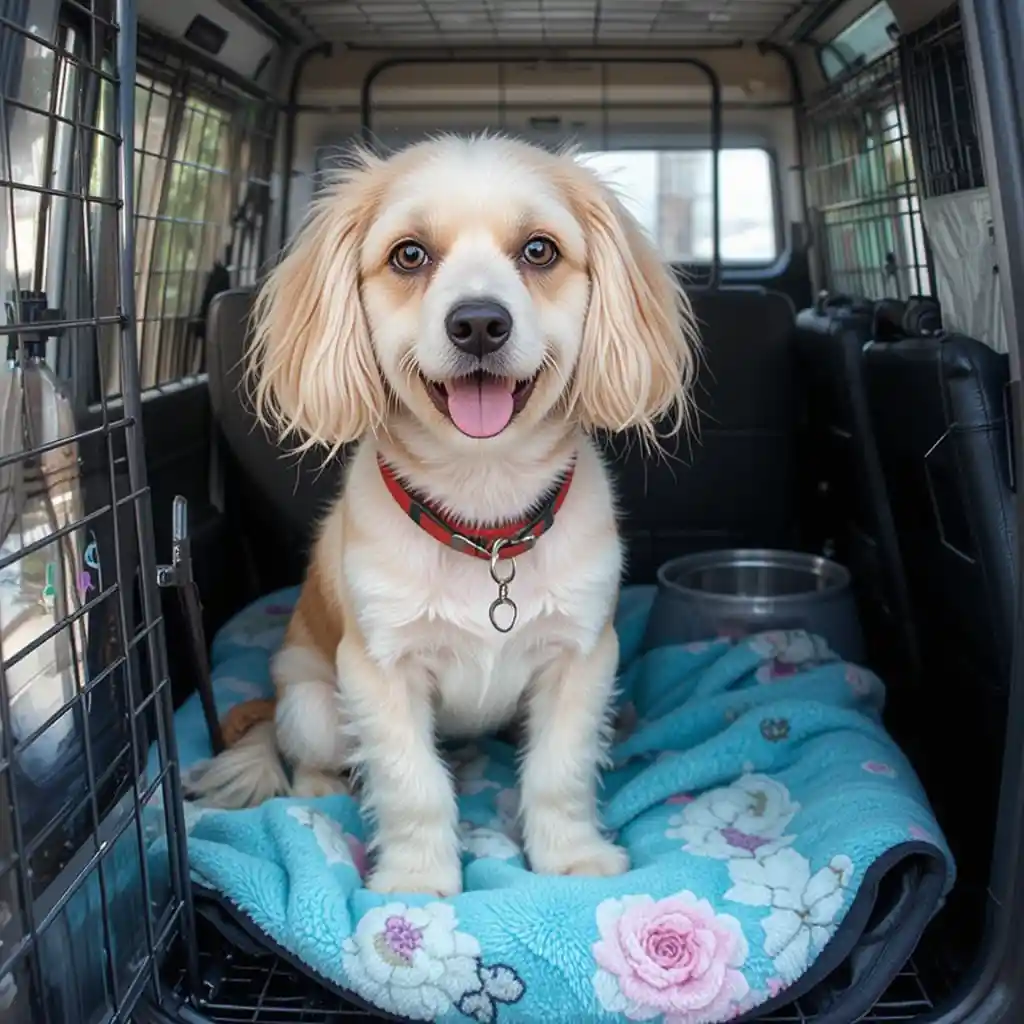
Portable Water Bowls: Collapsible water bowls are needed for long trips, especially for flying.
Emergency Contacts & Backup Plans
Local Vets: Discover and have on hand the emergency vet clinics at your destination.
Backup Travel Plans: For flight cancellations or postponements, have a backup plan in place for your pet, such as potential boarding arrangements.
Best Travel Bowls for Pets
🧳 What to Pack When Flying with Pets
Preparation is everything while taking your pet by air. Below is a more detailed examination of essential packing tips for flying with your pet.
FAA-Approved Carrier: Start your pet’s flight in a safe way by using the appropriate carrier. The carrier should be according to the airline’s size requirement and your pet should have room to stand, turn around, and lie down easily in it.
Calming Products: Carry calming sprays or a pet-safe CBD oil to help calm your pet during the flight. Also, carry a calming collar or anxiety-reducing garment such as a Thundershirt.
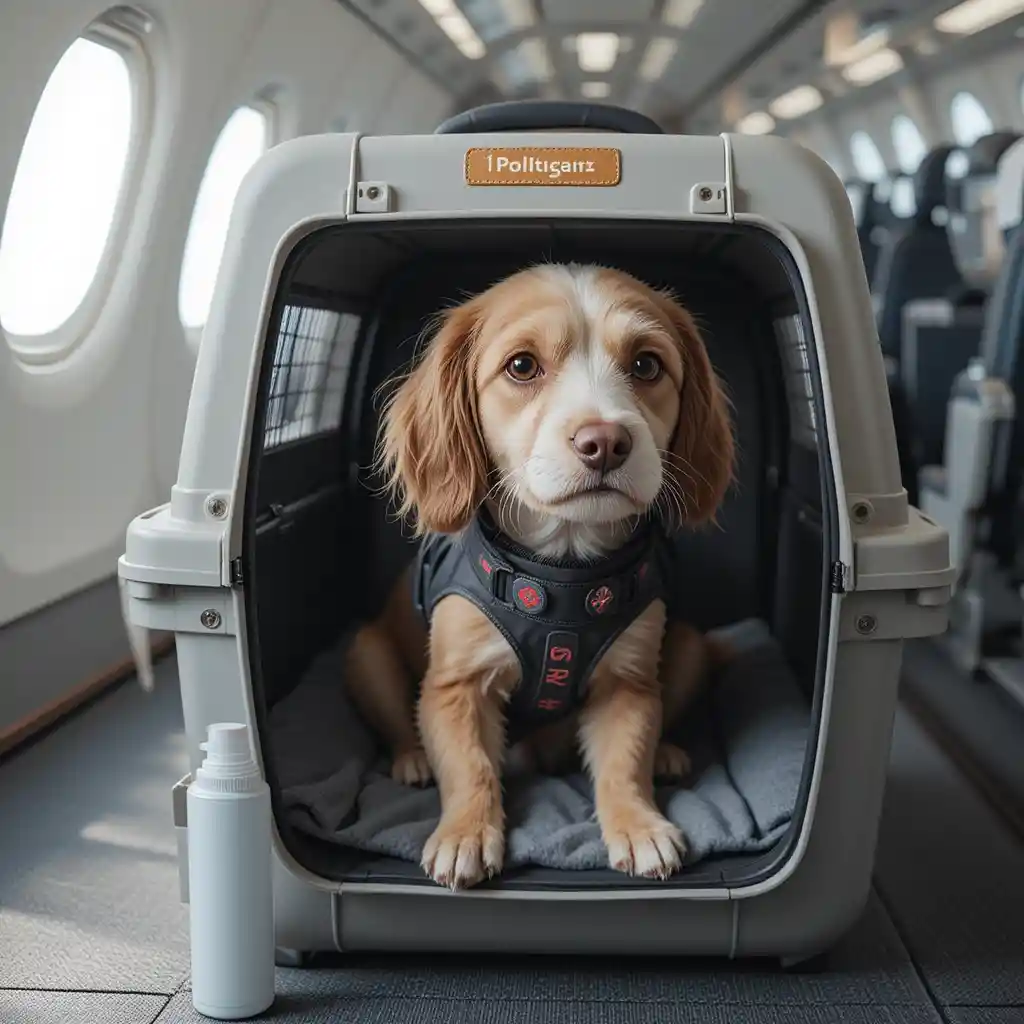
Portable Water Bottle: Staying hydrated is essential, particularly in dry airplane cabins. A portable water bottle with a built-in bowl can be a lifesaver.
Identification: Ensure your pet has a collar on with new ID tags, and it is advisable to add a temporary travel ID tag with your contact information and flight information.
🐶 Weekend Pet Trip Checklist
Although short trips might be more manageable, the same preparation is to be done for weekend trips too. Here is what to do for your pet’s comfort even on a short trip:
- Light Packing: For a weekend trip, maintain the essentials to a bare minimum—food, a collapsible bowl, a leash, a favorite toy, and their bed or blanket for comfort.
- Pet-Friendly Accommodations: Ensure that the accommodation is pet-friendly and if they have any pet fees or restrictions.
- Pet Identification: Update your pet identification, even for a brief trip, especially if you will be in locations you’ve never been before.
🌿 Best CBD Oils for Anxious Pets in Transit
Traveling causes a lot of pets, particularly dogs and cats, to become stressed. CBD oil has gained immense popularity as a natural travel anxiety reducer, and rightly so. Here is a detailed comparison of the best CBD oils for travel anxiety in pets:
Dosage: Start with a low dose (consult your vet), and pre-test the oil prior to traveling in order to figure out its impact.
Best Products for 2025:
- Verma Farms: Known for its high-quality, full-spectrum CBD oil.
- Charlotte’s Web: Sells pet-specific CBD products.
- Honest Paws: Sells CBD for pets with stress or anxiety issues.
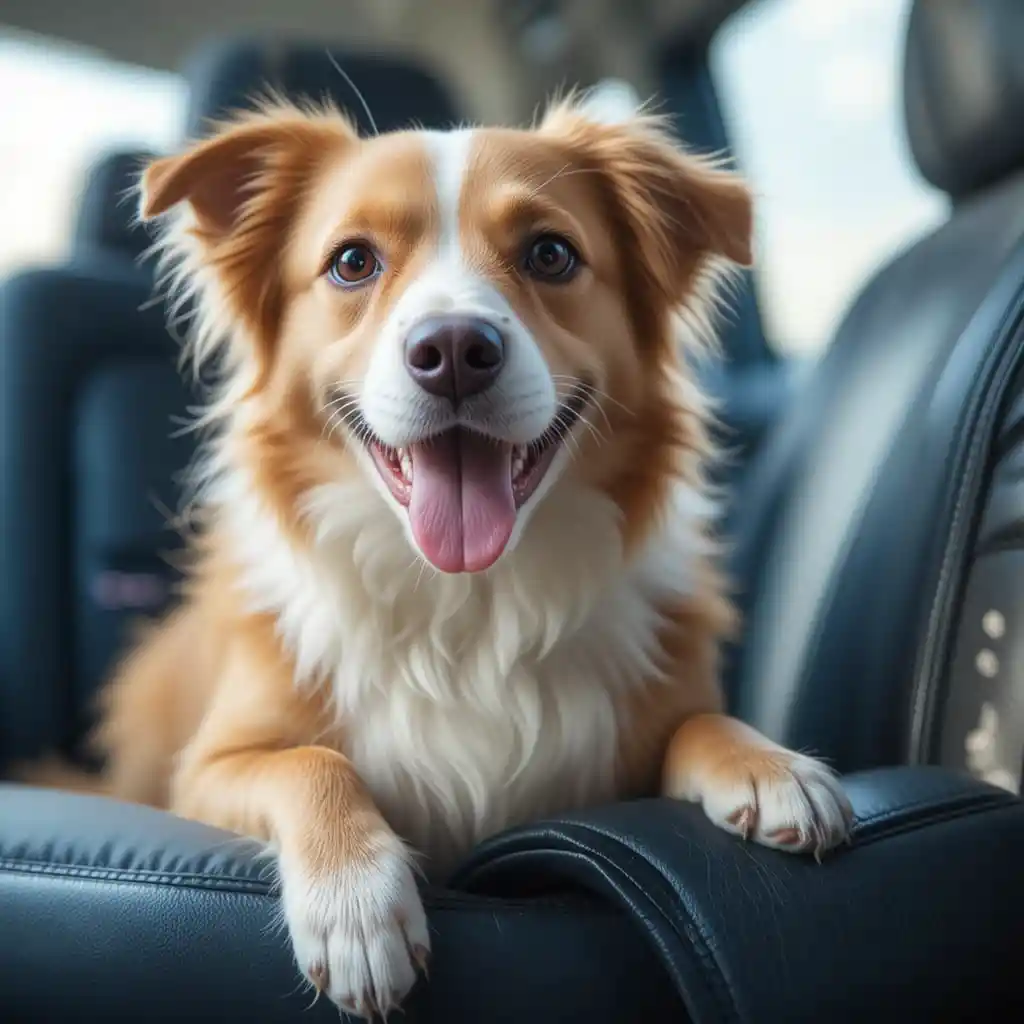
🐕 How to Calm a Dog Before Flying
Dogs, especially those with travel anxiety or separation anxiety, require special attention before flying. Following is a detailed pre-flight routine to soothe your dog:
- Crate Training: Crate train weeks in advance of the flight to familiarize your dog with the crate.
- Behavioral Tips: Use calming commands like “sit” or “stay” to create a sense of stability.
- Feeding Schedule: Avoid heavy meals a couple of hours before the flight, as it will lead to stomach discomfort.
🐈 Natural Remedies for Cat Travel Stress
Cats being creatures of routine do not enjoy traveling. How to soothe their anxiety:
- Familiarization: Leave out a travel cage a few weeks before the journey, and allow it to be in the house so that your cat becomes familiar with it.
- Natural Sedatives: Attempt the use of relaxing pheromones like Feliway or natural herbal aids to calm down your cat when being transported.
- Quiet and Peaceful: Cats like quiet spaces, so try to maintain their traveling space quiet and peaceful. Avoid making much noise during travel.
📋 How to Get a Pet Passport in 2025
A pet passport is a critical document for international travel. Here’s what you need to know:
- Microchip: A microchip is required for most international travel.
- Rabies Vaccination: Ensure that your pet is up-to-date on rabies vaccination and that the certificate is within the required timeline.
✨ Final Travel Tips from an Expert
“Remember, traveling with pets isn’t just about logistics—it’s about routine, trust, and ensuring a safe environment for them.” — Dr. Allison Kent, Veterinary Travel Consultant.
By focusing on your pet’s routine and being prepared in advance, both you and your pet will have a pleasant and enjoyable journey. The more routine the process, the smoother the trip will be.
Pet Travel Planning 2025
FAQ: Everything You Need to Know About Pet Travel in 2025
What are the fundamental steps to get my pet ready for travel?
The initial step is to make certain your pet is healthy for travel. Take your pet to the vet to receive a health check-up, which includes any necessary vaccinations, like rabies, based on your destination. For international travel, be sure to obtain a Pet Passport, which contains vaccination records and a microchip. Accustom your pet to their travel carrier and crate ahead of time, and make sure they are comfortable remaining within. Make a travel checklist of essentials like food, water bowls, toys, medication, and emergency contact details.
Do I need a pet passport for international travel?
Yes, if you are going overseas, most countries will require a pet passport. It’s a document that holds critical health information such as the vaccination history of your pet, microchip details, and other health certificates. Each country has its own rules for the entry of pets, so it’s crucial that you discover the pet travel demands of your target country well in advance. You can get a pet passport from your veterinarian or approved agency.
What are the most common health requirements for pet travel?
Health requirements vary according to destination, but common requirements include:
Vaccination against rabies: Evidence of a current rabies vaccination is usually required for pets traveling internationally. The vaccine must be given a certain number of days before travel (normally 21 days).
Health certificate: A veterinarian health certificate stating that your pet is healthy enough to travel is typically required, especially for air travel or international travel.
Microchipping: Microchipping is increasingly a requirement for international pet travel. It is for identification in case your pet gets lost.
Tapeworm treatments: Some countries, like the UK, require tapeworm treatments within a specified time frame prior to arrival.
How do I find pet-friendly accommodations?
When searching for pet-friendly accommodations, use specialty travel booking websites that filter the results to pet-friendly establishments. Websites like BringFido, PetFriendly, and Airbnb allow you to search for pet-friendly hotels, vacation rentals, and even private homes that are pet-friendly. Always confirm with the property before booking that they are pet-friendly, and find out if there are any additional pet fees or restrictions (e.g., breed, size, or number of pets allowed).
Can I take my pet on an airplane?
Yes, most airlines allow pets on airplanes, but policies vary widely from airline to airline. You’ll need to book your pet’s space in advance because airlines typically limit the number of pets on a given flight. Pets traveling in the cabin typically need to be in a carrier that will fit under the seat in front of you. Bigger pets may need to travel in the cargo hold, and that requires a special airline-approved pet crate. Be sure to check the individual pet policies of the airline for health certificates, vaccinations, and carrier sizes.
Which are the best airlines to fly with pets in 2025?
While there isn’t one “best” airline to travel with pets, some airlines are more pet-friendly than others. Some of the ones that consistently get high marks for their pet travel programs are:
JetBlue: A relatively pet-friendly airline, JetBlue allows small pets in the cabin and has a lower-than-average pet fee.
Air Canada: Has pet-friendly policies for both in-cabin and cargo travel.
Alaska Airlines: They offer in-cabin pet services and also provide special arrangements for larger pets in the cargo hold.
American Airlines: Even though the pet fee is a bit more, American Airlines has a very developed pet program.
It’s always best to call the airline ahead of time to confirm the pet policy as rules and fees can change.
How do I keep my pet calm on the flight?
Travel can be stressful for pets, especially on a plane. Following are some of the ways to alleviate their stress:
Crate training: Start crate training well ahead of time for the flight so that your pet is accustomed to the carrier and feels secure in it.
Calming products: Use anxiety-reducing products like calming sprays (e.g., Adaptil for dogs), pheromone collars, or even CBD oils, which can calm the anxiety during the flight.
Avoid pre-travel feeding: To prevent nausea or discomfort, don’t feed your pet a large meal a couple of hours before the flight.
Comfort items: Bring your pet’s favorite blanket, toy, or any familiar item that will make your pet comfortable in his carrier.
How do I handle long car trips with my pet?
Long car trips require planning to assure your pet’s comfort and safety. Here are a few tips:
Regular breaks: Stop every 2–3 hours to let your pet get a leg stretch, use the restroom, and take a drink of water.
Car safety: Use a pet seat belt harness or a secured crate to prevent your pet from roaming around the car. This helps keep them safe and reduces distractions for the driver.
Hydration and snacks: Keep your pet hydrated and provide small, healthy snacks along the way. Avoid providing full meals while traveling.
Entertainment: Bring toys or familiar items to keep your pet entertained and stress-free during the trip.
What should I pack for my pet?
Below is a complete list of what to pack for your pet’s travel:
Travel carrier or crate: Ensure that it is ventilated, comfortable, and large enough for your pet.
Food and water: Take enough of your pet’s regular food to last the entire trip, with a little extra in case of delays. Collapsible travel bowls simplify feeding and watering.
Pet meds: Take any prescriptions your pet needs, along with some general first-aid supplies.
Comfort items: Blankets, toys, and familiar scents will help your pet feel safe and calm during travel.
Identification: Have your pet’s identification tags updated with your travel contact information and ensure they are microchipped.
Health documents: Carry your pet’s vaccination record, health certificate, and other necessary documents.
How do I handle my pet’s stress during travel?
Travel is stressful for pets, but there are several ways to ease their anxiety:
Desensitize before travel: If your pet is not accustomed to traveling, try short trips before the journey. This will familiarize them with the traveling process.
Comfort items: Bring along their favorite blanket, toy, or even a piece of your clothing that smells like home to comfort them.
Calming techniques: Natural remedies like CBD oil, pheromone sprays, or anxiety wraps (e.g., Thundershirt) are extremely useful for some pets. Consult your veterinarian for additional suggestions.
Behavior training: In case of pets with severe anxiety, consult a professional trainer before your trip to get them accustomed.
What if my pet has special medical needs during travel?
If your pet has medical needs or requires special care during travel, you’ll need to take extra precautions. For example:
Consult your vet: Before traveling, talk to your vet about your pet’s specific health conditions and get recommendations for travel.
Prepare medication: Pack any necessary medication and ensure you have the correct dosages. If your pet requires injections (e.g., insulin for diabetic pets), be sure to bring syringes, along with any additional medical records.
Emergency plan: Identify where veterinary clinics are along your route or close to your destination in the event of an emergency.
Are there any breed restrictions for pet travel?
Some airlines and nations have prohibited specific breeds of dogs, particularly those that are “banned” or “dangerous.” Health and safety are the usual reasons for the bans. Flat-faced breeds (brachycephalic breeds) like Bulldogs, Pugs, and Boxers are more susceptible to breathing problems in high altitudes and temperature fluctuations, and thus airlines will not accept them for transportation. It is always a good idea to check with your airline for breed prohibitions.