
Pet Travel Vaccines for International 2025
Whether you’re on vacation, moving overseas, or just taking your dog along with you as part of an overseas adventure — standing between you and hassle-free travel is one thing: vaccinations.
The Ultimate Guide to Pet Travel Health & Documents

Pet travel overseas is more than booking a flight. Governments have regulations on what vaccinations your pet should receive, how current they must be, and whether or not papers are required. Ignoring these can result in quarantine, denial of entry, or even your pet being sent back.

In this article, we’ll cover:
- What vaccines are typically required for dogs and cats
- Country-specific rules you should know
- Documentation and timelines
- How to avoid quarantine and delays
Let’s get your pet cleared for takeoff.
✈️ Why Pet Vaccines Matter for International Travel
Each country has an obligation to protect its indigenous animals (and humans) from foreign diseases. That is why they require pets to be vaccinated before they arrive. These policies are enforced by customs and animal health personnel and are non-negotiable.
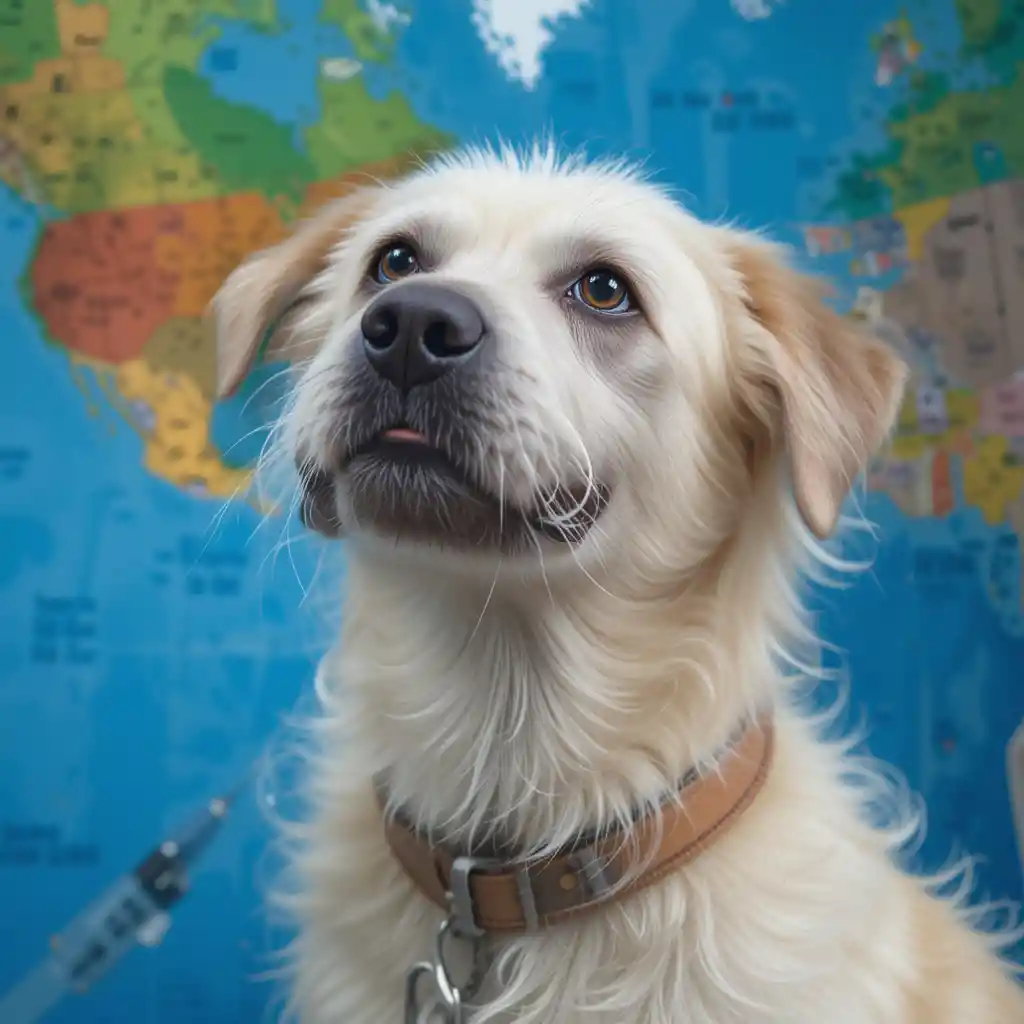
The Rabies vaccine is the most commonly needed — and in most cases, obligatory. But based on the country, other vaccines may also be necessary.
And it’s not just about getting in. Airlines, cruise lines, and international train travel can even require proof of up-to-date vaccination to board your pet.
🐶 Core Vaccines for International Travel
Different countries have different standards, but the following are the standard core vaccines required by most governments and travel providers:
For Dogs:
- Rabies (REQUIRED worldwide)
- Canine Distemper
- Canine Hepatitis (Adenovirus)
- Canine Parvovirus
- Leptospirosis (required in parts of Europe, South America)

For Cats:
- Rabies
- Feline Viral Rhinotracheitis
- Calicivirus
- Panleukopenia
As a rule, the Rabies vaccine has to be administered at least 21 to 30 days before traveling and no more than 12 months previously, unless a 3-year certificate is accepted (this varies between countries).
🕒 Timing Is Critical: Plan Vaccines Early
Don’t wait until the last minute. Here’s a recommended vaccine timeline before your international trip:
| Timeline | Action Item |
|---|---|
| 120+ days out | Research country-specific vaccine laws |
| 90 days out | Schedule core vaccines (if outdated) |
| 60 days out | Microchip (must be done before rabies shot) |
| 30–45 days out | Rabies booster, titer test if required |
| 10–14 days out | Health certificate appointment |
🌍 Country-Specific Pet Vaccine Requirements (2025)
Some countries follow general rules, while others have very specific requirements. Here’s a quick overview:
| Destination | Rabies | Other Requirements | Quarantine Risk |
|---|---|---|---|
| European Union | Yes | Leptospirosis (sometimes), tapeworm (dogs only) | Low (if prepared) |
| United Kingdom | Yes | Tapeworm treatment for dogs (24–120h before entry) | Low |
| Japan | Yes | Rabies titer test required | Yes (21 days if incomplete) |
| Australia | Yes | Rabies titer test, import permit, quarantine | Yes (10–30 days) |
| Canada | Yes | Basic core vaccines preferred | Low |
| Mexico | Yes | Health certificate in Spanish or English | Low |

⚠️ Important: Requirements change regularly. Always check the destination country’s official government animal import/export website before booking travel.
🧬 Rabies Titer Test: What Is It and Who Needs It?
A titer test for rabies is a blood test that confirms your pet has enough rabies antibodies to guard them. It is required in some countries (Japan, Australia, South Korea, New Zealand) after the rabies vaccination and at least 90 days before departure.
- Needs to be tested at an approved lab (e.g., Kansas State in the US)
- Results need to be at least 0.5 IU/mL to be effective
- If your pet fails the test, you’ll have to revaccinate and retest

📄 Required Pet Travel Documents
Besides vaccines, countries want paperwork to prove your pet is vaccinated. Here’s what you’ll typically need:
✅ Core Documents
- International Health Certificate (USDA-endorsed if from the U.S.)
- Rabies Vaccination Certificate
- Vaccine history printout from your vet
- Microchip certificate (ISO-compliant)
🛫 For the EU
- EU Pet Passport if already issued before travel
- Annex IV Form completed by a USDA-accredited vet
“Many countries require rabies vaccinations and may require a rabies titer test to verify that the vaccine has provided sufficient protection.”
— U.S. Department of Agriculture (USDA-APHIS)
Source
📋 Example Checklist for an International Trip from the U.S.
Let’s say you’re flying from the U.S. to Germany with your dog:
- Microchip (ISO 11784 or 11785) implanted before rabies vaccine
- Rabies vaccine at least 21 days before entry
- Distemper, parvo, adenovirus, and leptospirosis vaccines up to date
- EU Health Certificate (Annex IV) signed within 10 days of travel
- Tapeworm treatment (if going to UK, Ireland, Malta, Finland, Norway)
- All documents endorsed by USDA APHIS

✈️ What If You Don’t Follow the Vaccine Rules?
If you arrive unprepared, authorities may:
- Quarantine your pet (from 10 days up to 6 months)
- Refuse entry entirely
- Send your pet back at your cost
This happens more often than people think — especially when they travel without checking updated 2025 policies.
🛑 For example, Japan has recently tightened their rabies testing rules, and Australia continues to be one of the most difficult countries to enter with pets.
🧠 Common Mistakes to Avoid
- ❌ Waiting too long to start the vaccine process
- ❌ Not checking airline rules (may be more restrictive than the country)
- ❌ Getting the rabies vaccine done after microchipping — voids the vaccine
- ❌ Confusing domestic health certificates with international travel documents
- ❌ Using a non-ISO microchip that won’t be read abroad
🧳 Tips for a Smooth Vaccine Process
- Use the same vet through the process to have consistent records.
- Always request paper copies of all records of vaccines with microchip number.
- Schedule an early appointment for USDA endorsement — wait times are uncertain.
- Utilize a pet travel agency to places like Australia, Japan, or the UAE.
- Keep electronic copies of all papers on your cloud drive and phone.

📦 Bonus: Pet Travel Vaccination Prep Kit
- 🗂️ Folder with original documents
- 📅 Vaccination record with dates + batch numbers
- 🪪 Copy of microchip certificate
- 💉 Proof of titer test (if needed)
- 🛬 Health certificate valid for entry
- 📱 Backup copies on phone and cloud
- ✈️ Airline-specific health forms (if required)
📣 Final Thoughts
Pet travel in 2025 is never simpler — but it’s more regulated. The vaccine regimen is mandatory and strictly in the best interest of your pet’s health, welfare, and legal entry into any country.
Get prepared, be prepared, and have a vet who is familiar with international regulations. The more you prepare, the simpler your travel will be — for you and your pet.
📌 Ready to travel? Make sure your pet is protected and your paperwork is flawless.
Next up: How to Get a Pet Travel Health Certificate in 2025 →
Pet Travel Vaccines for International: FAQ
What vaccines are required for international pet travel in 2025?
A recent valid rabies vaccination is required in most nations, and core vaccinations like distemper, parvovirus, and leptospirosis in dogs or panleukopenia in cats in many nations.
Do I require a rabies titer test for my pet?
Yes, certain countries like Japan, Australia, and South Korea require a rabies titer test with protective antibody levels before entry.
How far in advance should I have my pet vaccinated for overseas travel?
It is recommended to vaccinate 30–60 days ahead of time. Rabies vaccines occasionally require a minimum of 21 days before departure.
Can my pet be turned away if the vaccines are missing or expired?
Yes, pets can be quarantined, refused entry, or sent back if vaccination histories are missing or not in line with the importing country’s laws.
What documentation do I need for pet vaccine history when going abroad?
You will usually need a rabies certificate, current vaccination record, microchip identification registration, and signed health certificate by an accepted representative such as USDA-APHIS.