
EU Pet Passport Guide 2025 | Travel Europe with Your Pet
“Though often overlooked by the uninitiated, the EU Pet Passport is a veritable panacea for the peripatetic pet owner, enabling seamless continental traversal sans bureaucratic entanglements.”

🌍 What Is a European Union Pet Passport?
A European Union (EU) Pet Passport is an official document that allows cats, dogs, and ferrets to move between EU member states (and some non-EU countries) without the requirement for quarantine. It is proof that your pet meets all the health and vaccination requirements under EU legislation—primarily rabies vaccination.
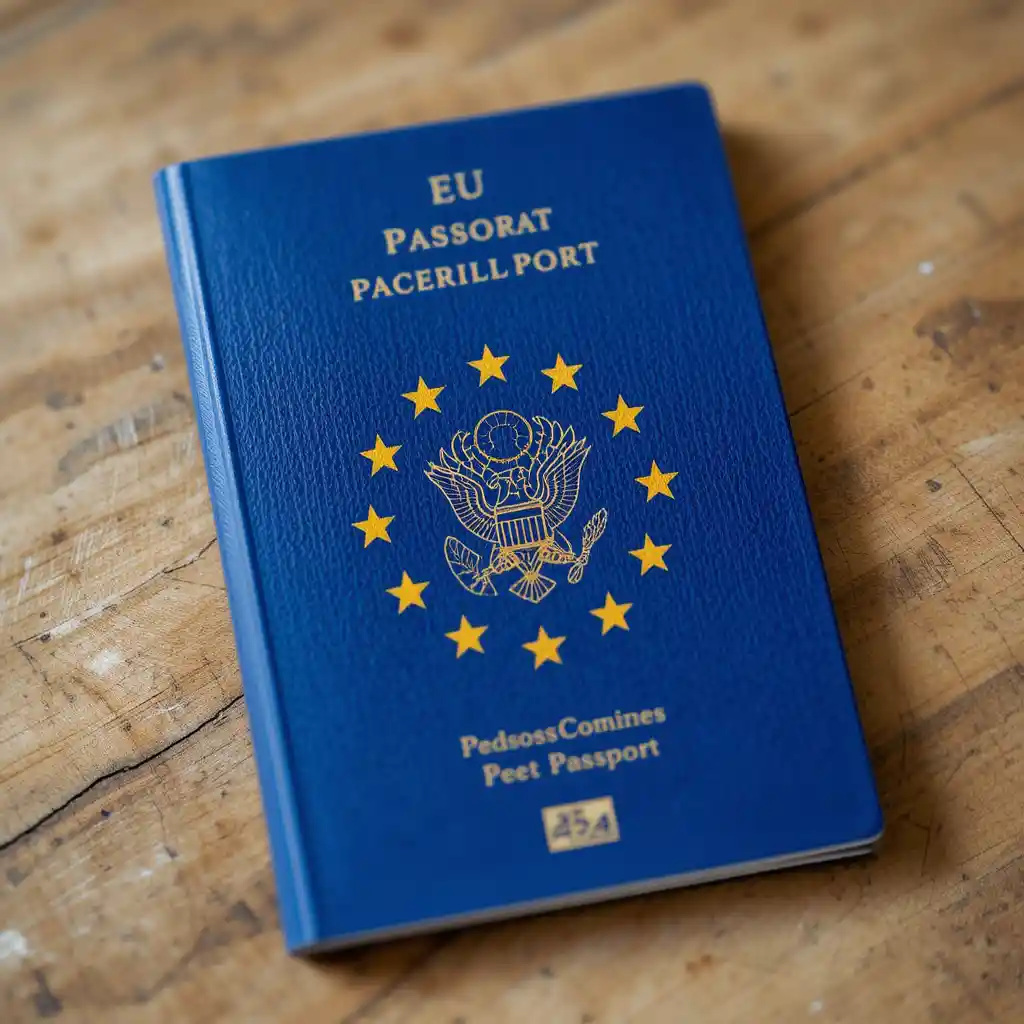
To date, pet passports remain the easiest and most accepted form of pet travel documents across Europe as of 2025.
✅ What Does the EU Pet Passport Include?
The EU Pet Passport is a blue document to which your pet’s key travel health information, including:
- Owner’s name and contact details
- Microchip number and date implanted
- Rabies vaccination details
- Details of the issuing veterinarian
- Record of other non-compulsory vaccinations or treatments (e.g., tapeworm, tick)

✅ Note: As of 2025, only veterinarians authorized by an EU member state can issue valid EU Pet Passports.
✅ Your complete 2025 pet travel checklist
✅ Pack light & right for a weekend trip with your pet
✅ Pro tips to calm your dog before a flight
🇪🇺 Who Can Get an EU Pet Passport?
There are two main scenarios:
- You Live in the EU
If you’re an EU resident, you can obtain a pet passport from your local vet—provided they’re approved to issue one. It’s a straightforward process that usually takes less than an hour. - You’re Entering the EU from a Non-EU Country
If you’re traveling from a third country (e.g., U.S., U.K., Canada), your pet cannot obtain an EU passport beforehand. Instead, your pet must:
- Have a valid microchip
- Be vaccinated against rabies
- Hold an EU Animal Health Certificate, issued within 10 days of travel
Once inside the EU, you can apply for a full EU Pet Passport at a licensed vet.
💡 Internal Link Tip: Learn more in our Pet Travel Documents Guide.
🐾 How to Get a European Union Pet Passport (2025)
Follow these steps if you’re already in the EU:
Step 1: Microchip Your Pet
The microchip must be ISO 11784/11785 compliant. It must be performed before or on the day of the rabies vaccination.
Step 2: Rabies Vaccination
Your animal should be 12 weeks or older when it gets the rabies shot.
It will take 21 days after vaccination for first-time travelers to travel.
The vaccination should be legitimate and stamped in the passport.

Step 3: Visit an EU-Approved Vet
Only authorized veterinarians in the EU can issue pet passports. Bring proof of microchip and rabies vaccine.
Step 4: Receive Your Pet Passport
Once complete, your passport will include a microchip number, vaccine sticker, and official stamps. It’s now valid for travel across EU member states.
✅ Natural cat travel remedies that actually work
✅ Dog travel bag checklist you shouldn’t skip
✈️ Which Countries Accept the EU Pet Passport?
EU Member States:
All 27 countries, including France, Germany, Spain, Italy, and the Netherlands, accept it.
Non-EU Countries Accepting It:
- Norway
- Switzerland
- Iceland
- Liechtenstein
- Andorra
- Monaco
- San Marino
- Vatican City
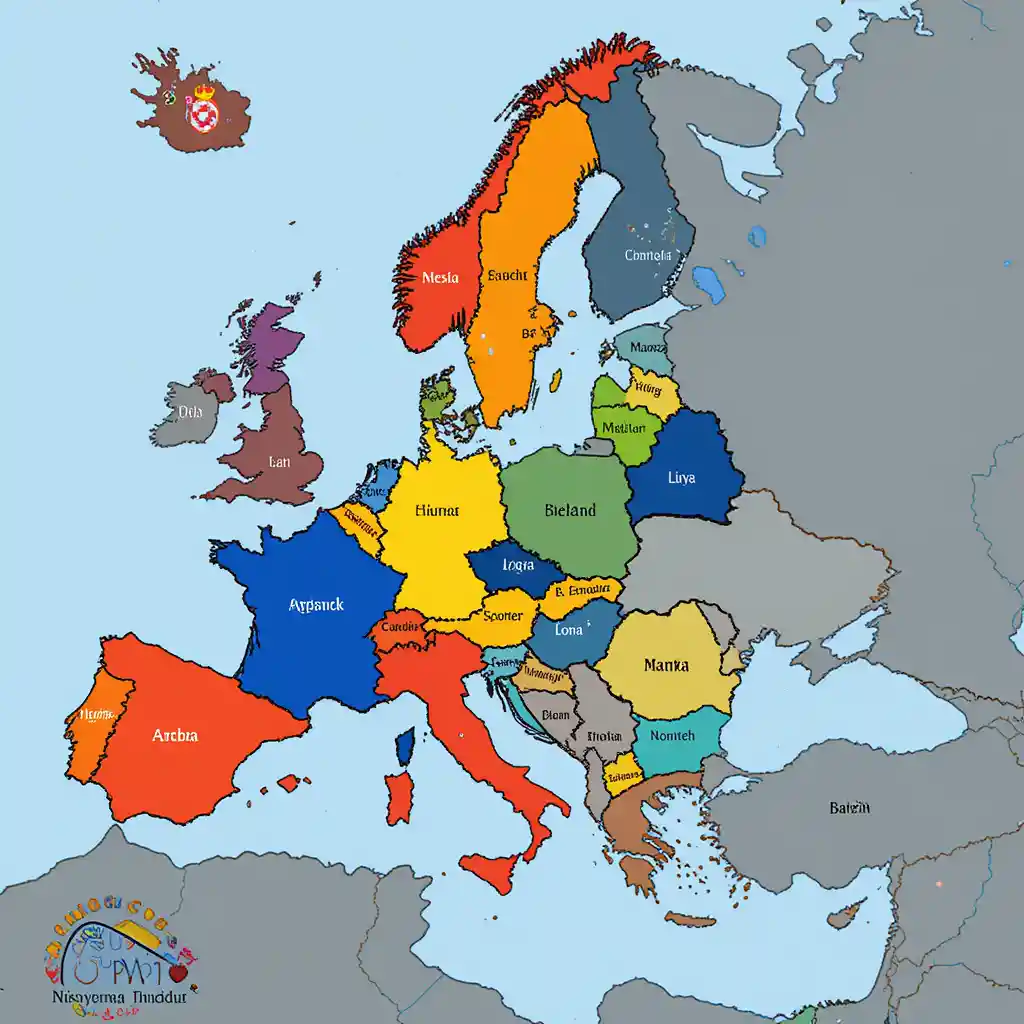
These are referred to as “Part 1 listed countries” and treat the EU Pet Passport as valid documentation.
🔄 How Long Is the EU Pet Passport Valid?
The passport itself doesn’t expire, but the rabies vaccination must be up to date. Booster shots are typically required every 1–3 years, depending on the vaccine used.
📌 Tip: Always check the passport before travel to confirm that the rabies vaccination will still be valid on your return date.
🚨 Special Considerations
Pets from the UK Post-Brexit
Since January 1, 2021, U.K.-issued EU Pet Passports are no longer valid for entry into the EU. Pets from the U.K. now need:
- A microchip
- Valid rabies vaccination
- EU Animal Health Certificate (valid for 10 days)
- Tapeworm treatment (for entry into some countries like Ireland, Finland)
💼 What If You’re Traveling Outside the EU?
EU Pet Passports are only valid for travel into or within the EU. If you’re leaving to a non-EU country, you may need:
- Export certificates
- Import permits for destination country
- Quarantine (in rare cases)
Always check with the embassy or official agriculture authority of your destination before flying.
🌐 See IATA Live Animals Regulations for airline guidelines.
🐶 Why Get a Pet Passport Instead of Just a Health Certificate?
| Feature | EU Pet Passport | Animal Health Certificate |
|---|---|---|
| Valid for multiple trips? | ✅ Yes | ❌ One-time use only |
| Long-term validity? | ✅ With rabies boosters | ❌ Expires after 10 days |
| Accepted across EU? | ✅ Yes | ✅ Yes |
| Convenient for travelers? | ✅ Highly | ❌ Limited |
If you’re planning frequent travel in the EU, a pet passport offers major convenience, cost savings, and peace of mind.
✅ Top collapsible pet bowls for travel
✅ Essential documents for flying with your pet
Can I obtain an EU Pet Passport online?
No. Since 2025, pet passports can only be issued in person by an authorized vet.
How do I pay for an EU Pet Passport?
Cost varies by country but tends to be in the range of €20–€75. Does not include vet visit or vaccinations.
What if I lose the passport?
A replacement passport can be obtained from a veterinarian in the same country of issue—provided you have microchip and vaccine records.
Can I travel the same day my pet is vaccinated?
No. You must wait 21 days after the initial rabies vaccination before traveling to a different country.
🧱 Internal Cluster Links to Add Later
- Ultimate Pet Travel Checklist 2025
- How to Get a Pet Passport in 2025
- Rabies Certificate & Vaccination Rules for Travel
- Pet Travel Health Certificate Guide
These pages support topical relevance and interlinking power across your pet travel content.
🌟 Final Thoughts
The European Union Pet Passport system is one of the world’s most pet-friendly travel systems. If you’re bouncing between Paris and Prague or taking a long-term European holiday, the EU Pet Passport ensures that your pet travels legally, safely, and without undue hassle.
Preplan, stay in accordance with vaccination regulations, and protect that blue booklet—it’s your pet’s passport to Europe.