
Why Airline Rules for Exotic Animals Matter
Shipment of exotic animals—reptiles, birds, amphibians, or small mammals—is governed by strict airline and government regulations. In 2025, the regulations have become even more animal welfare, flight safety, and international trade law oriented.
The Ultimate Guide to Pet Travel Health & Documents

When you’re flying with an exotic pet, this guide will get you through all the airline policies and crate specifications, as well as documentation and species-specific prohibitions.
What Qualifies as an Exotic Animal?
Each airline is unique, but generally speaking, exotic animals would comprise:
- Birds: Parrots, cockatoos, macaws, lovebirds
- Reptiles: Snakes, turtles, lizards
- Amphibians: Frogs, salamanders
- Small Mammals: Ferrets, hedgehogs, sugar gliders, rabbits
- Arachnids & Insects: Tarantulas, stick insects, beetles
The majority of airlines operate blanket policies but treat these animals on a case-by-case basis.
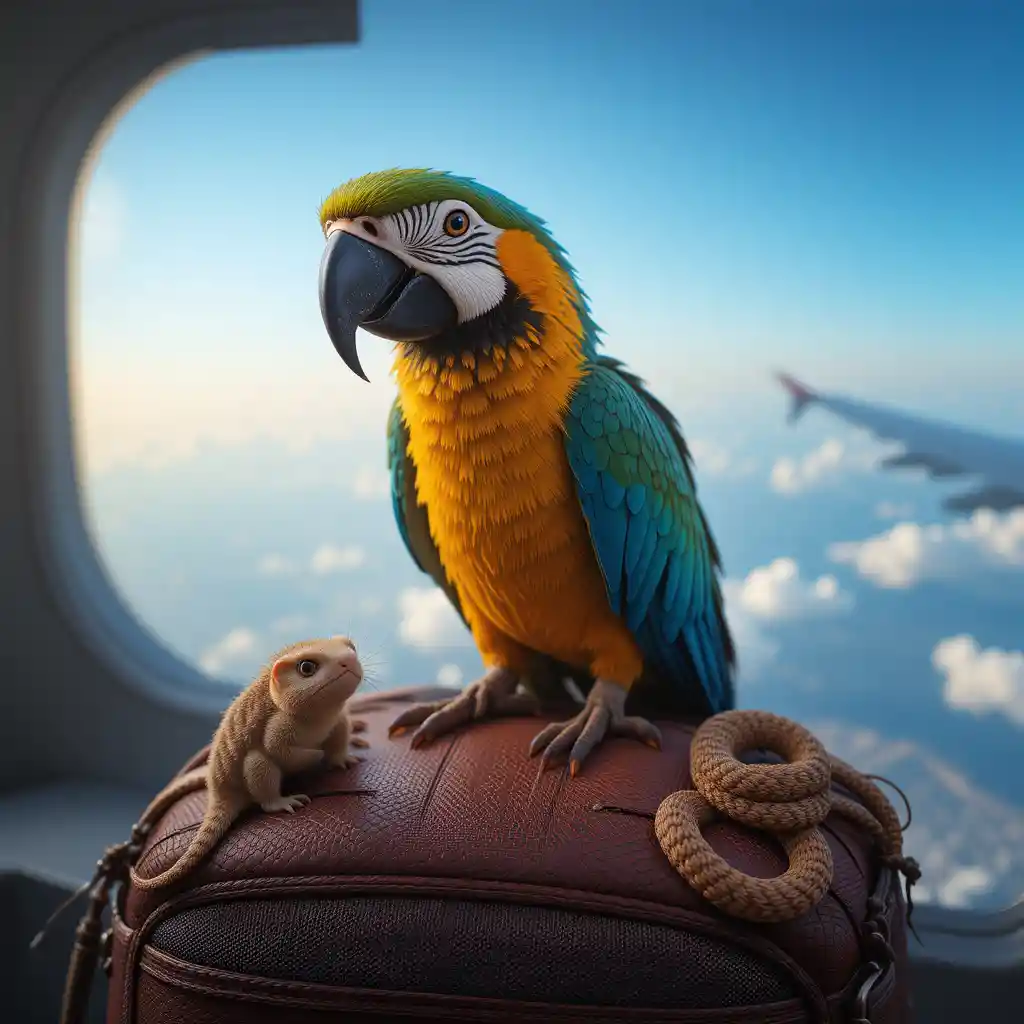
Airline Categories for Pet Travel
Airlines usually allow pets to travel in one of three ways:
- In-Cabin: Small, quiet, non-disruptive animals only
- Checked Baggage: Rarely allowed for exotics; not recommended
- Air Cargo (Manifested): Most exotic animals must travel this way
Major Airline Policies for Exotic Animals (2025)
Here’s a breakdown of select airlines and their stance on exotic animal travel:
✈️ Lufthansa
- Accepts many exotic animals in cargo only.
- Requires IATA-compliant crates.
- Must provide species-specific documents and health certificates.
✈️ KLM Royal Dutch Airlines
- Known for its animal-friendly cargo program.
- Handles birds, reptiles, and small mammals with proper paperwork.
✈️ Air Canada Cargo
- Accepts reptiles, amphibians, and birds through Air Canada Cargo only.
- Prior notice required for temperature-sensitive species.
✈️ United Airlines (PetSafe Program)
- Allows exotic pets via cargo under PetSafe.
- Does not transport snakes, venomous species, or monkeys.
✈️ Emirates SkyCargo
- Extensive facilities for live animals.
- Accepts a broad range of exotic pets internationally.
Documentation Airlines May Require
To transport by air exotic animals, you typically have to provide:
- Health Certificate (Issued by Accredited Vet)
- Import/Export Permits (Required for international travel)
- CITES Documentation (If species is listed)
- Air Waybill to book cargo
- Species Declaration Form
Always confirm specific forms on airline website or cargo office.

Crate Requirements for Exotic Animals
Exotic animals must be transported in an IATA-approved travel cage, which usually has:
- Hardy material (plastic or reinforced wood)
- Non-toxic, escape-free latches
- Three sides minimum ventilation
- Climate control options (for reptiles, birds, amphibians)
- Arrangements for food and water (especially for long-haul flights)
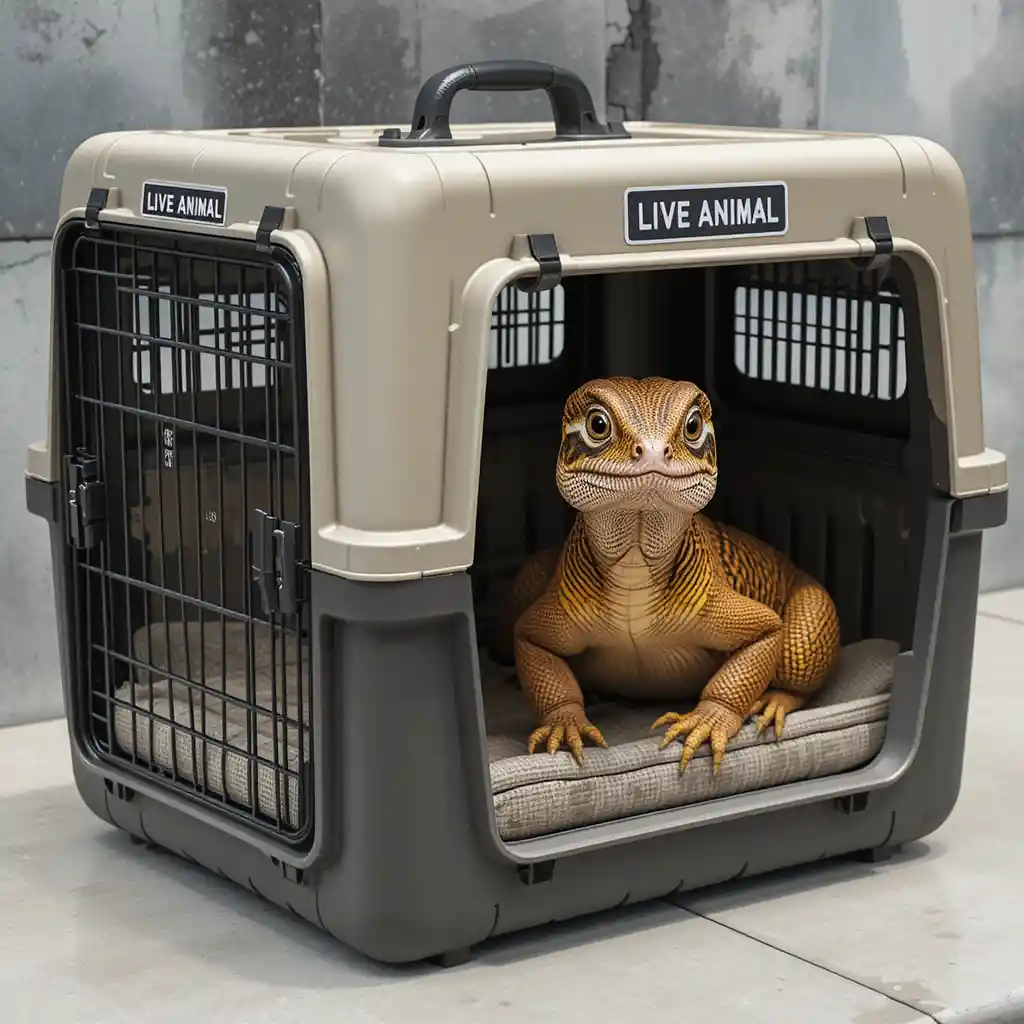
Labelling is crucial: All the containers must be prominently labelled with:
- “LIVE ANIMAL”
- Species name
- Origin/destination
- Owner contact information
Restrictions & Banned Species
Airlines often restrict or ban certain exotic animals for safety reasons:
- No venomous reptiles or spiders
- No primates (monkeys, chimpanzees)
- Rare birds under conservation may require additional clearance
Always check your destination country’s import ban lists and quarantine policies.
Airport Handling Facilities for Exotic Animals
Some of the major airports have live animal handling facilities where exotic pets:
- Live in climate-controlled spaces
- Are checked by exotic animal care-trained individuals
- Are provided water, temperature adjustments, and updates
Examples:
- Frankfurt Animal Lounge (FRA)
- Amsterdam Schiphol Animal Hotel (AMS)
- JFK ARK Terminal (NYC)

Expert Quote
“Transporting exotic pets by air is not as simple as buying a ticket. It involves navigating a complex maze of airline policies, international law, and the health needs of the animal.”
— Dr. Julie Sheldon, Exotic Animal Veterinarian, University of Florida
Internal Links
- Travel with Exotic Pets in 2025
- Exotic Pet Import & Export Rules
- Pet Travel Health Certificate Guide
FAQs
Q1: Can I bring a parrot on board?
A: Some airlines, but noise, size, and route dependent. Call ahead.
Q2: Do I need a vet check before flying with a reptile?
A: Yes, most airlines require a valid health certificate within 10 days of travel.
Q3: Can I sedate my exotic pet before a flight?
A: No. Sedation is fatal, especially to reptiles and small mammals.
Q4: Which airline is best for exotic pet shipping?
A: Lufthansa, KLM, and Emirates are known for excellent animal cargo services.
Q5: Are there temperature limitations?
A: Yes, airlines can refuse live animal reservations in extreme hot or cold temperatures.
Traveling with exotic pets by air is complex but manageable with the right preparation. Always consult your vet, the airline, and your destination’s authorities in advance. When handled correctly, your exotic pet can fly safely and legally to almost any part of the world.