
Traveling with your pet should be a joyful experience, but for many pets, it can be a source of significant anxiety. Understanding how to reduce pet anxiety during travel is crucial for ensuring their comfort and well-being. This comprehensive guide provides effective strategies and practical tips to help calm your furry friend during car rides, flights, and other forms of travel, addressing pet travel anxiety in a holistic way.
Understanding Pet Travel Anxiety
Before diving into solutions, it’s important to recognize the signs of travel anxiety in pets:
- Excessive panting or drooling
- Restlessness or pacing
- Whining, barking, or meowing
- Trembling or shaking
- Hiding or trying to escape
- Vomiting or diarrhea
These symptoms can be triggered by various factors, including unfamiliar environments, loud noises, motion sickness, and separation anxiety.
For more detailed information, check out this guide to pet travel
Pre-Trip Preparation: Setting the Stage for Calm Travel
Proper preparation is key to minimizing pet travel stress:
- Veterinary Consultation: A check-up is essential to rule out any underlying medical conditions. Discuss travel anxiety with your vet; they may recommend medications or other solutions.
- Carrier Acclimation: If using a carrier, introduce it weeks before the trip. Make it a positive space with treats, toys, and familiar bedding. This helps reduce dog anxiety travel or cat anxiety travel related to confinement.
- Practice Car Rides: Start with short car rides and gradually increase the duration. Reward calm behavior with treats and praise.
- Familiar Scents: Bring familiar blankets, toys, or clothing that smell like home. These scents can provide comfort and reduce anxiety.
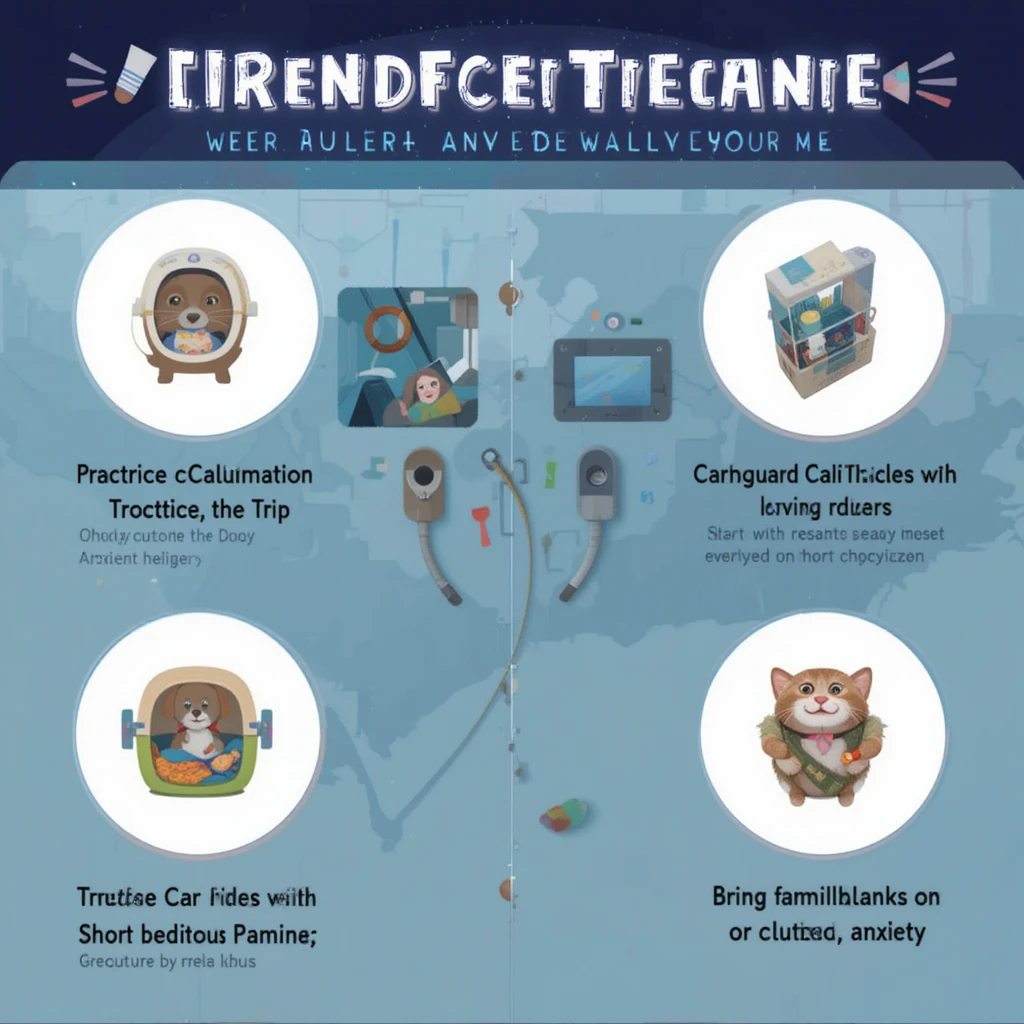
| 🐾 Anxiety-Free Pet Travel Checklist ✅ | |
|---|---|
| Before You Go 🏠 | During the Trip 🗺️ |
| Vet check-up 🩺, carrier training 📦, familiar scents 🧸 | Secure restraint 🔒, soothing sounds 🎶, frequent breaks 🚾 |
| Practice car rides 🚗, calming aids (if needed) 🌿 | Monitor your pet’s behavior 👀, offer reassurance 🤗 |
Calming Techniques for Car Travel
For car rides, consider these additional strategies for calming pets during travel:
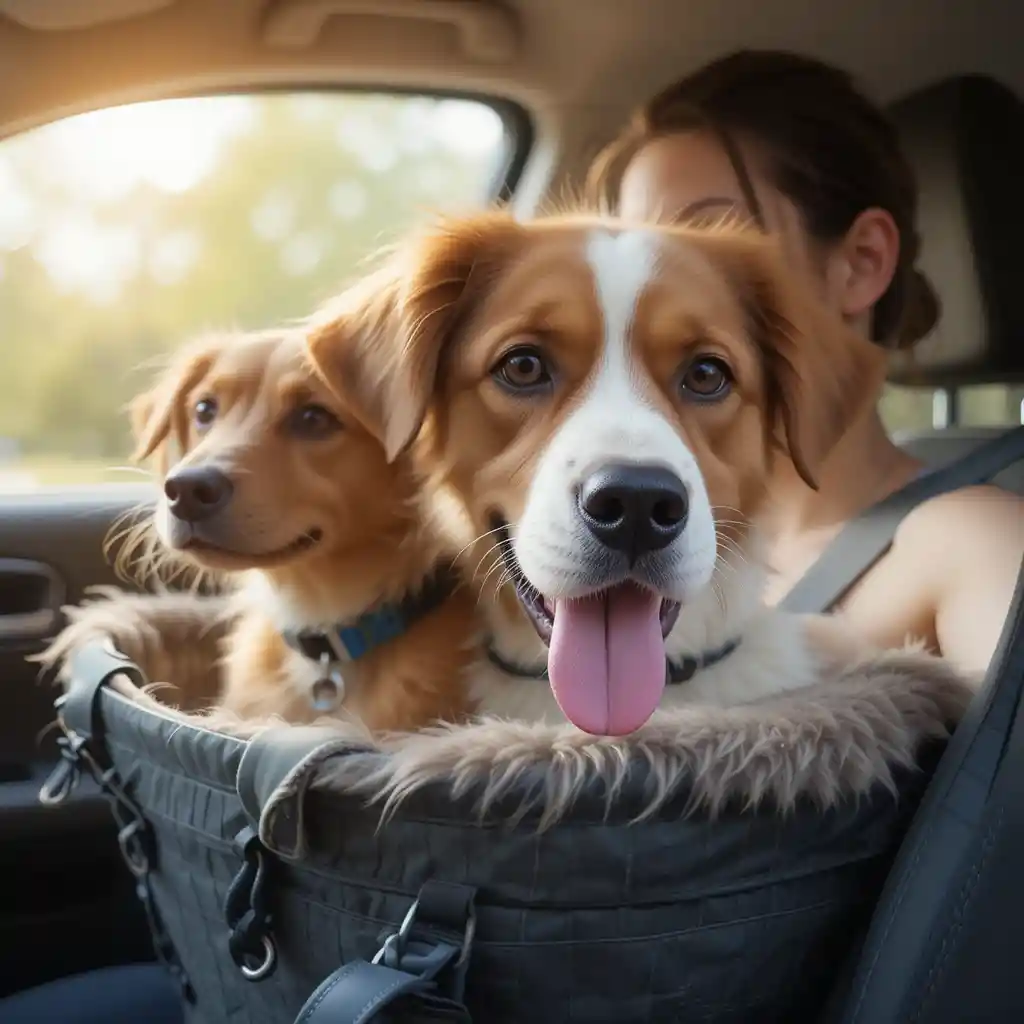
- Secure Restraint: Use a pet carrier or seatbelt harness to keep your pet safe and prevent them from moving around the car, which can exacerbate anxiety.
- Comfortable Temperature: Maintain a comfortable temperature in the car and ensure proper ventilation.
- Soothing Sounds: Play calming music or white noise. Avoid loud or stimulating sounds.
- Frequent Breaks: Stop regularly for bathroom breaks, walks, and to offer water.
Reducing Anxiety During Air Travel
Air travel can be particularly stressful for pets. Here’s how to reduce dog travel anxiety or reduce cat travel anxiety during flights:
- Airline-Approved Carrier: Use an airline-approved carrier that is well-ventilated and comfortable.
- Direct Flights: Opt for direct flights whenever possible to minimize travel time and stress.
- Early Check-in: Arrive early at the airport to avoid rushing and further stress.
- Consult Your Vet About Calming Aids: Discuss calming aids or medications with your veterinarian. They can recommend appropriate options and dosages.
| 🚗✈️ Pet Travel Anxiety Solutions 🚂 | |
|---|---|
| Travel Type | Calming Tips 😌 |
| 🚗 Car Rides | Secure restraint 🔒, frequent breaks 🚾, calming music 🎶, familiar scents 🧸 |
| ✈️ Flights | Airline-approved carrier 📦, direct flights ➡️, calming aids (consult vet) 👨⚕️ |
| 🚂 Train | Secure carrier/leash 🦮, quiet environment 🤫, familiar bedding 🛏️ |
Natural Remedies and Calming Aids
Several natural remedies and calming aids can help with pet anxiety relief:
- Pheromone Sprays and Diffusers: These products mimic natural calming pheromones and can help reduce anxiety.
- Herbal Supplements: Certain herbal supplements, such as chamomile and valerian root, may have calming effects. Consult your vet before using any supplements.
- Calming Treats: These treats contain ingredients like L-theanine and tryptophan, which can promote relaxation.
Managing Motion Sickness
Motion sickness can worsen travel anxiety. If your pet experiences motion sickness:
- Consult Your Vet: Your veterinarian can prescribe medication to prevent motion sickness.
- Travel on an Empty Stomach: Avoid feeding your pet a large meal before traveling.
- Face Forward: If possible, position your pet so they are facing forward in the car.
Long-Term Strategies for Reducing Travel Anxiety
For pets with chronic travel anxiety, consider these long-term strategies:
- Counterconditioning and Desensitization: Gradually expose your pet to travel-related stimuli (e.g., car rides, carrier) in a positive way.
- Professional Training: A certified professional dog trainer or veterinary behaviorist can help develop a customized plan to address your pet’s anxiety.
| ✨ Calming Your Pet During Travel ✨ | |
|---|---|
| Method | Details ℹ️ |
| Familiar Items | Blankets, toys, clothing with familiar scents 🧸👕 |
| Calming Aids | Pheromones 💨, herbal supplements 🌿 (consult vet), calming treats 🦴 |
| Positive Reinforcement | Treats 🍬, praise 🤗, gentle reassurance 🥰 |
Conclusion: How to Reduce Pet Anxiety During Travel
Learning how to reduce pet anxiety during travel is an investment in your pet’s well-being and your own peace of mind. By implementing these strategies, you can transform travel from a stressful ordeal into a more positive experience for both you and your beloved companion. Remember, patience and consistency are key. Addressing pet travel stress effectively will make future trips much more enjoyable.
Ready to make travel less stressful for your pet? Schedule a consultation with your veterinarian to discuss specific strategies and calming aids.