
Traveling with your pet can be a wonderful experience, but there are many misconceptions that can make the process seem daunting. In this article, we’ll debunk 10 common pet travel myths to help you and your furry friend have a safe and enjoyable journey. Don’t let these myths hold you back from exploring the world together!
Myth 1: Pets Can’t Travel Long Distances
Many people believe that pets can’t handle long-distance travel. However, with proper preparation and care, pets can travel long distances comfortably. Make sure to take regular breaks, provide plenty of water, and keep your pet’s routine as normal as possible.
Tips for Long-Distance Travel:
- Plan your route with pet-friendly stops.
- Bring familiar items like toys and blankets to reduce stress.
- Ensure your pet is comfortable in their carrier or seat.
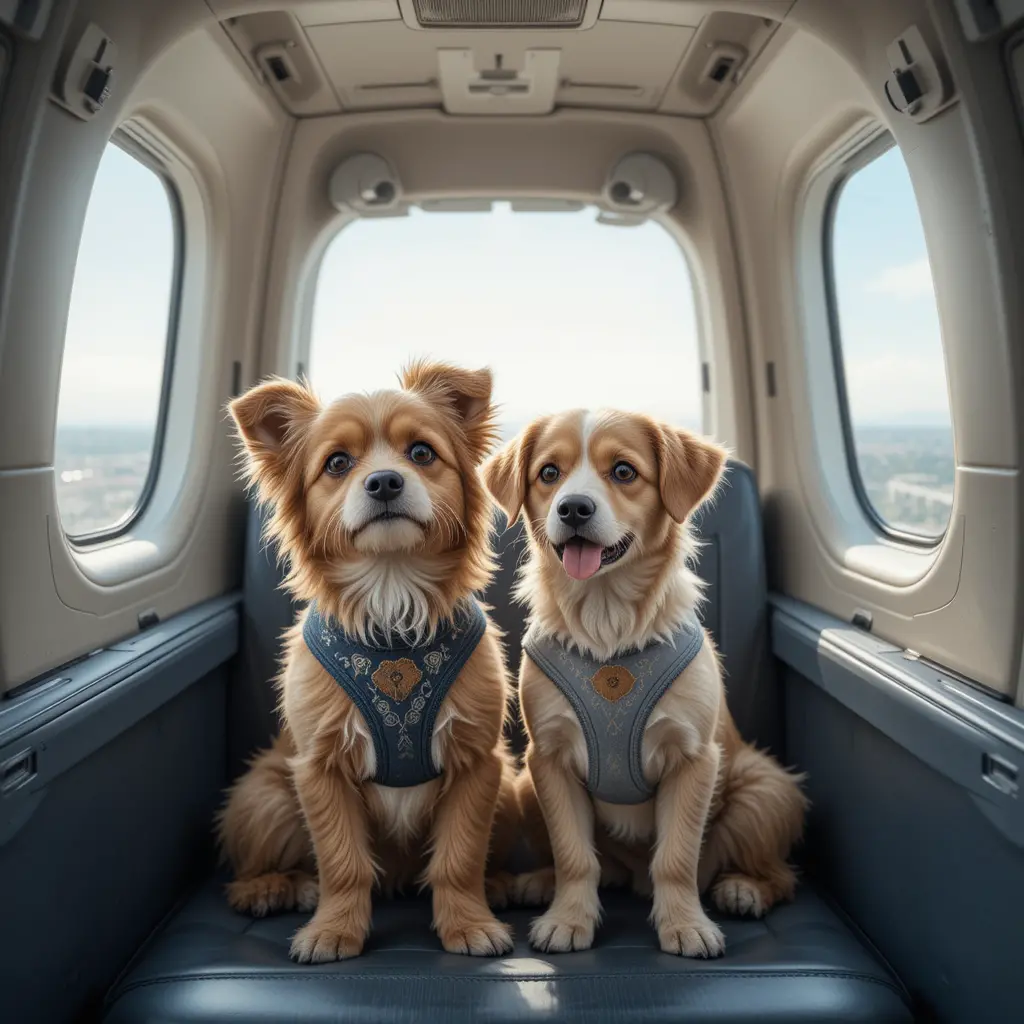
Myth 2: Sedation is the Best Way to Calm Pets During Travel
Sedating your pet during travel can actually be dangerous. It can cause respiratory and cardiovascular issues, especially at high altitudes. Instead, consider natural calming methods like pheromone sprays or calming treats.
Natural Calming Methods:
- Use pheromone sprays or diffusers.
- Try calming treats or supplements.
- Play soothing music during the journey.
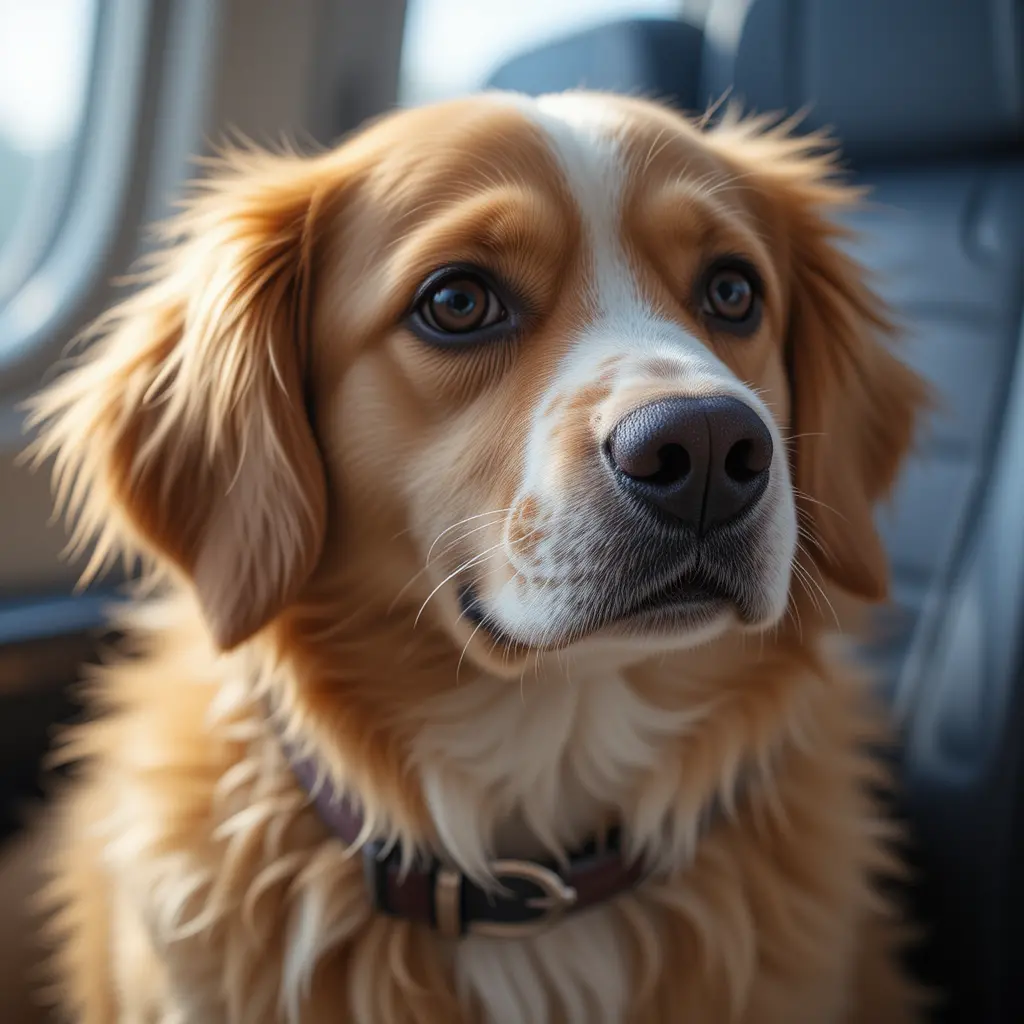
Myth 3: All Airlines Have the Same Pet Policies
Airline pet policies vary widely. Some airlines allow pets in the cabin, while others only permit them in the cargo hold. Always check the specific airline’s pet travel policies before booking your flight.
Airline Pet Policies:
- Check size and weight restrictions for in-cabin pets.
- Understand the requirements for pet carriers.
- Be aware of additional fees and documentation needed.
Myth 4: Pets Don’t Need Identification When Traveling
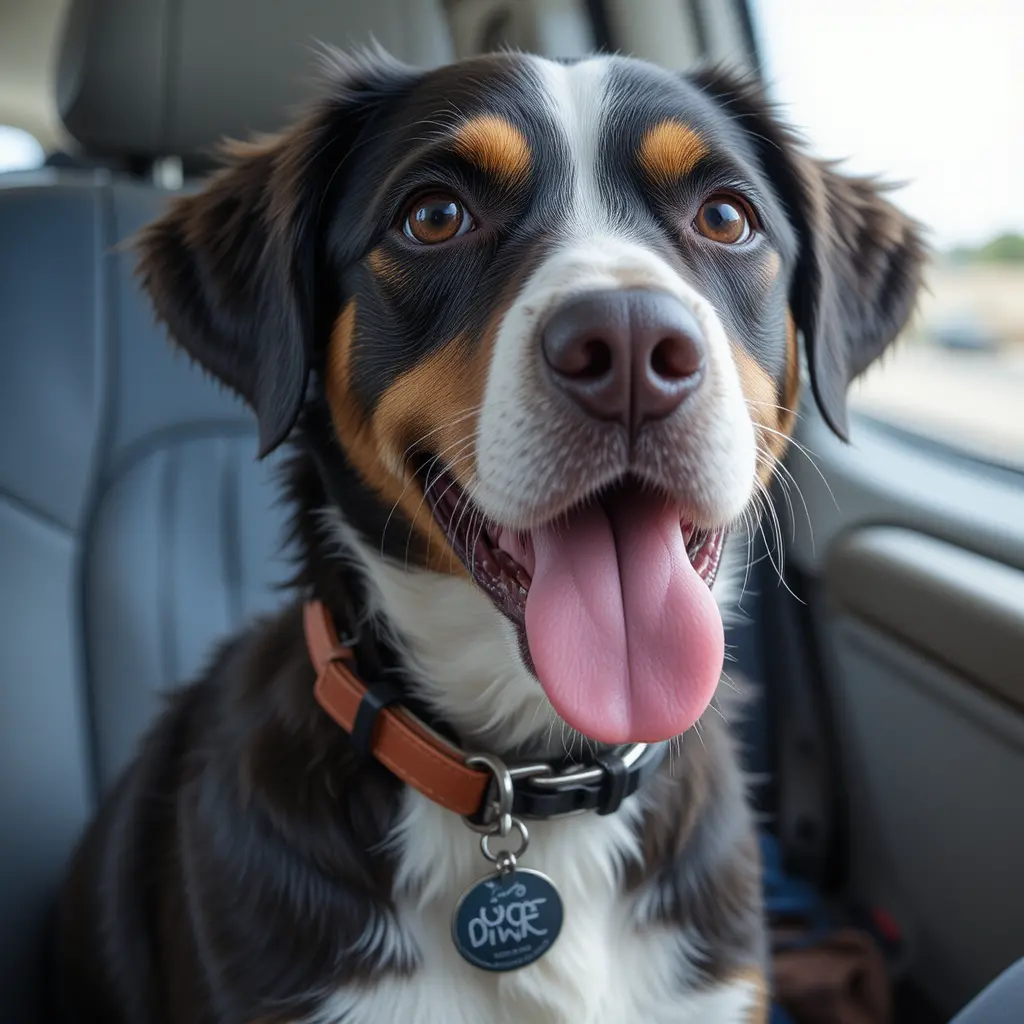
Proper identification is crucial when traveling with your pet. Make sure your pet has a collar with an ID tag and a microchip with up-to-date information. This can help ensure a safe return if your pet gets lost.
Identification Tips:
- Ensure the ID tag includes your contact information.
- Register the microchip with your current details.
- Carry a recent photo of your pet in case they get lost.
For more tips on traveling with pets, check out our guide on Pet Travel .
Myth 5: Pets Can’t Travel Internationally
International pet travel is entirely possible with the right preparation. Research the destination country’s pet import regulations, including required vaccinations, health certificates, and quarantine rules.
International Travel Tips:
- Start the preparation process months in advance.
- Visit the vet for necessary vaccinations and health checks.
- Understand the quarantine requirements of the destination country.

Myth 6: Pet Travel Insurance is Unnecessary
Pet travel insurance can provide peace of mind and financial protection in case of emergencies. It can cover unexpected veterinary expenses, trip cancellations, and lost pets.
Benefits of Pet Travel Insurance:
- Covers emergency veterinary care abroad.
- Provides reimbursement for trip cancellations due to pet illness.
- Offers assistance in locating lost pets.

Myth 7: Pets Don’t Need to Acclimate to Travel Carriers
Getting your pet used to their travel carrier before the trip can reduce stress and anxiety. Allow your pet to explore the carrier and spend time in it at home before traveling.
Acclimation Tips:
- Place familiar items like blankets and toys inside the carrier.
- Gradually increase the time your pet spends in the carrier.
- Reward your pet with treats and praise for positive behavior.
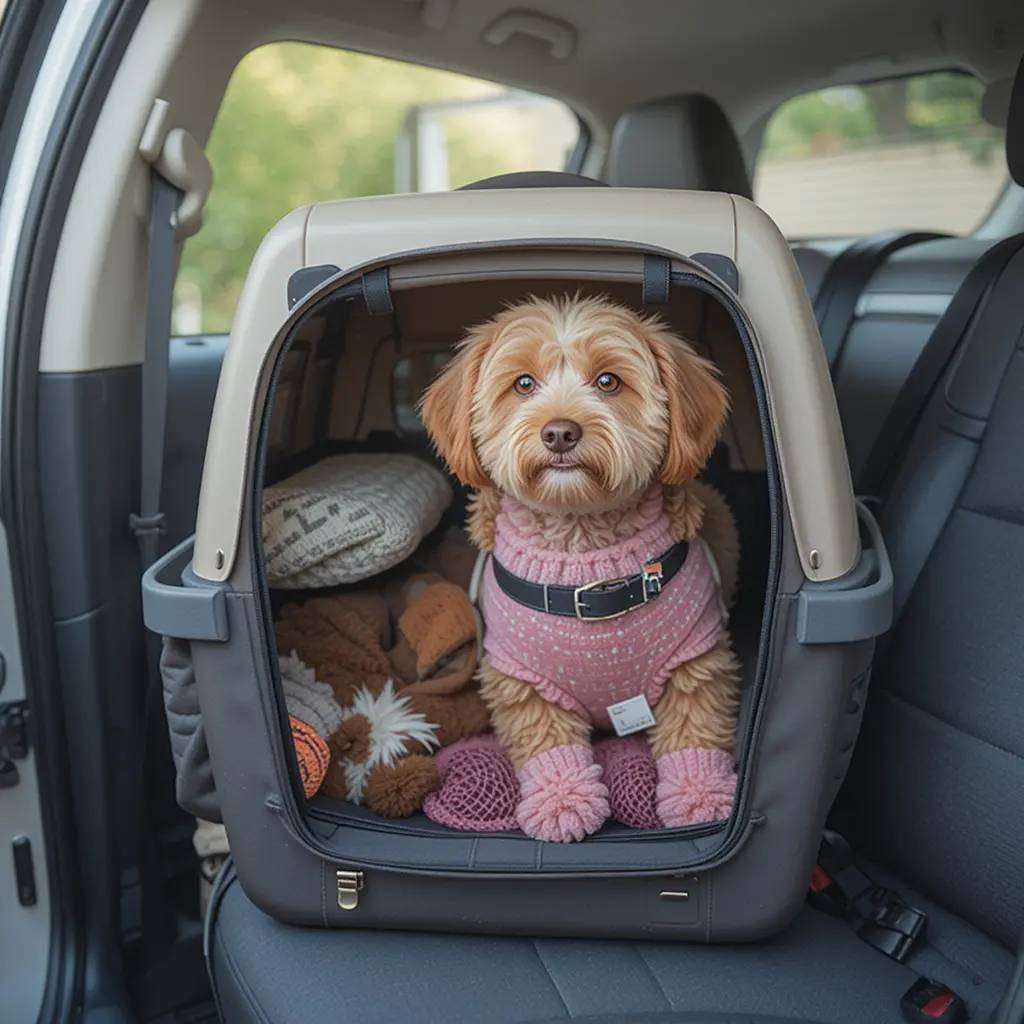
Myth 8: Pets Can’t Travel on Public Transportation
Many public transportation systems allow pets, but policies vary. Check the rules for trains, buses, and subways in your area. Some may require pets to be in carriers or have specific size restrictions.
Public Transportation Tips:
- Check the pet policy of the transportation provider.
- Ensure your pet is in a secure carrier if required.
- Avoid peak travel times to reduce stress for your pet.

Myth 9: Pets Don’t Need Vaccinations for Travel
Vaccinations are often required for pet travel, especially for international trips. Make sure your pet is up-to-date on all necessary vaccinations and carry proof of vaccination with you.
Vaccination Tips:
- Visit the vet for a health check and necessary vaccinations.
- Carry a copy of your pet’s vaccination records.
- Understand the specific vaccination requirements of your destination.
Myth 10: Pets Can’t Enjoy Travel as Much as Humans
Pets can absolutely enjoy traveling! With proper planning and consideration of their needs, pets can have a great time exploring new places and spending quality time with their owners.
Making Travel Enjoyable for Pets:
- Choose pet-friendly destinations and accommodations.
- Bring along their favorite toys and treats.
- Ensure they have plenty of exercise and playtime during the trip.
Pet Travel Myths vs. Facts 🐾✨
| Myth 🚫 | Fact ✅ | Tips 💡 |
|---|---|---|
| Pets can’t travel long distances 🛑 | Pets can handle long trips with proper prep 🚗 | Take breaks, bring water, and keep routines consistent 🐶 |
| Sedation is the best way to calm pets 💊 | Sedation can be dangerous; use natural methods 🌿 | Try pheromone sprays, calming treats, or soothing music 🎶 |
| All airlines have the same pet policies ✈️ | Airline pet policies vary widely 📋 | Check size, carrier rules, and fees before booking 🧳 |
| Pets don’t need ID when traveling 🆔 | Proper ID is crucial for safety 🐕 | Use a collar, ID tag, and microchip with updated info 📍 |
| Pets can’t travel internationally 🌍 | International pet travel is possible with prep 🛂 | Research vaccinations, health checks, and quarantine rules 🏥 |
Frequently Asked Questions About Pet Travel Myths
1. Is it safe to travel long distances with pets?
Yes, it’s safe to travel long distances with pets if you prepare properly. Ensure your pet is comfortable, take regular breaks, and keep their routine consistent. Bring familiar items like toys and blankets to reduce stress.
2. Can I sedate my pet for travel?
Sedating pets for travel is not recommended as it can cause health risks, especially at high altitudes. Instead, use natural calming methods like pheromone sprays, calming treats, or soothing music.
3. What are the requirements for international pet travel?
International pet travel requires vaccinations, health certificates, and sometimes quarantine. Research the destination country’s regulations, ensure your pet is microchipped, and carry all necessary documentation.
4. Do pets need travel insurance?
Yes, pet travel insurance is highly recommended. It covers unexpected veterinary expenses, trip cancellations, and lost pets, providing peace of mind during your journey.
5. Can pets travel on public transportation?
Many public transportation systems allow pets, but policies vary. Check the rules for trains, buses, and subways in your area. Pets may need to be in carriers or meet specific size restrictions.
Ready to Travel with Your Pet?
Now that we’ve debunked these 10 common pet travel myths, you’re ready to plan your next adventure with your furry friend. Remember, preparation is key to a smooth and enjoyable trip.
Start planning today! Check out our Pet Travel Guide for more advice and resources. Share your pet travel experiences in the comments below—we’d love to hear from you!
Learn more about international pet travel regulations on the USDA website.