
In the heart of Central Asia, Kazakhstan’s traditional cuisine is experiencing a renaissance like never before. Known for its rich heritage and deep-rooted nomadic history, Kazakh cuisine is stepping into the spotlight, delighting locals and global travelers alike. From hearty dishes like Beshbarmak to fermented beverages like kumis, the cuisine tells a story of resilience, community, and a renewed celebration of cultural pride.
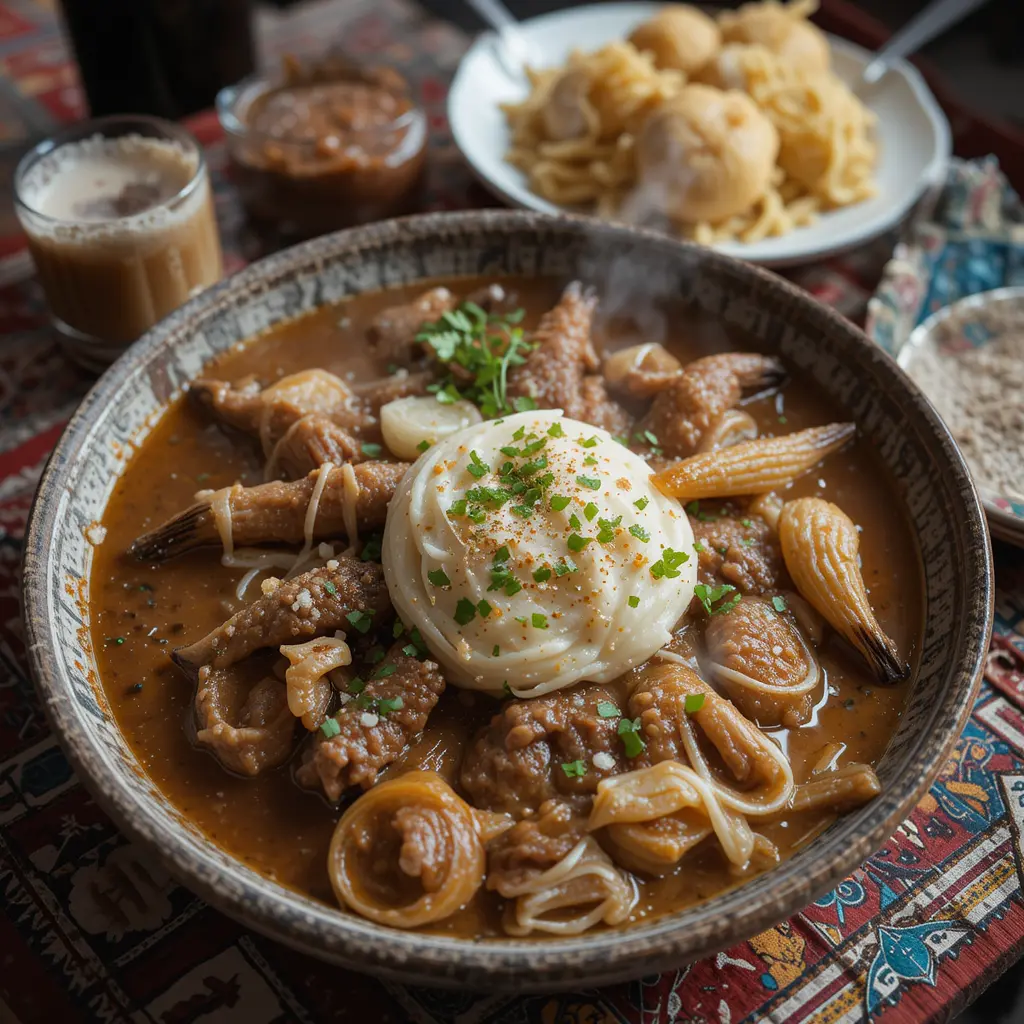
What Makes Kazakhstan’s Cuisine Unique?
At its core, Kazakh cuisine is deeply tied to the nomadic lifestyle of its ancestors. Ingredients are often simple yet flavorful, emphasizing meat, dairy, and bread as building blocks of sustenance. The vast steppes of Kazakhstan have influenced dishes that are designed to fuel long journeys and preserve food in harsh climates.
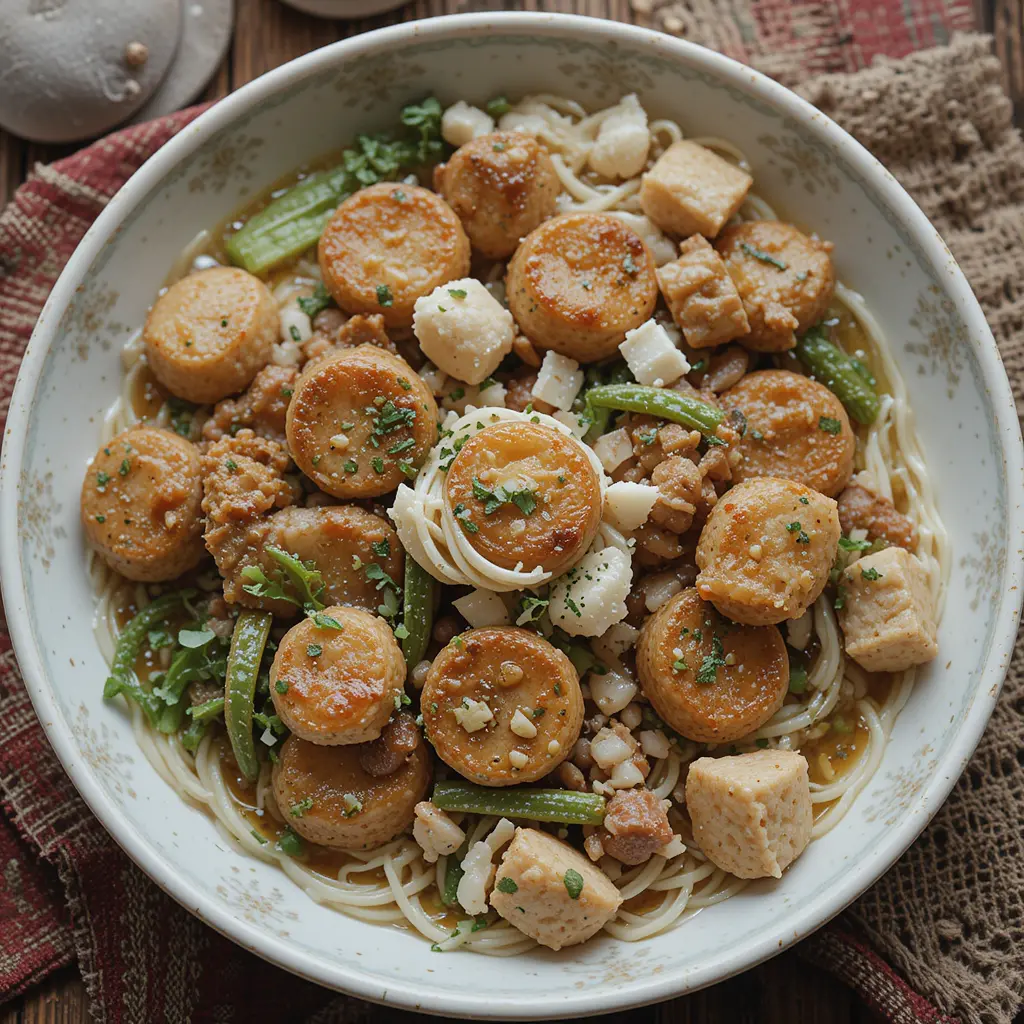
Dishes like Beshbarmak, which translates to “five fingers,” signify the communal essence of Kazakh meals. Whether you’re savoring a dumpling soup or sipping a bowl of fermented mare’s milk, the flavors honor tradition while appealing to modern palates.
The Renaissance of Kazakh Culinary Traditions
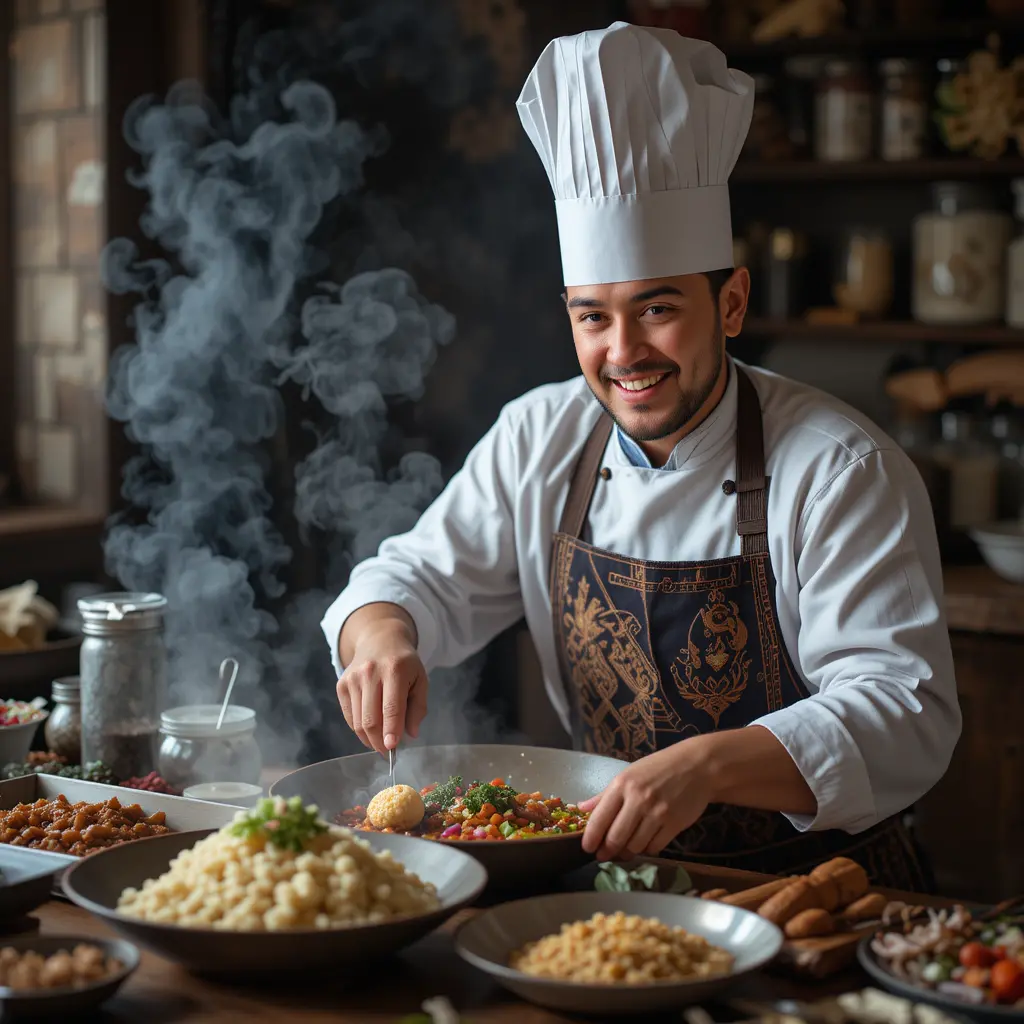
While traditional Kazakh cuisine remained in the background for years, influenced by Soviet-era restrictions and modern globalization, food artisans and chefs are now sparking a revival. New-age chefs are blending ancient recipes with contemporary techniques, creating new dishes while preserving the authenticity of traditional ingredients.
This resurgence isn’t just about food—it’s an exploration of identity, patriotism, and heritage. Across Kazakhstan, ethnic restaurants and food festivals are celebrating iconic dishes, giving locals and visitors the opportunity to experience history, one bite at a time.
Iconic Dishes You Must Try
Beshbarmak (The National Dish)
Beshbarmak is Kazakhstan’s iconic dish, made with boiled meat (usually horse or lamb) served over flat noodles with an onion broth. Eaten with the hands, it represents the communal spirit of Kazakh tradition.
Kumis (Fermented Mare’s Milk)
This ancient beverage made from mare’s milk is slightly tangy, fizzy, and full of probiotic goodness. It’s a staple of Kazakh culture, highly regarded for its health benefits.
Baursaks (Kazakh Donuts)
Baursaks are fluffy, golden bread pieces deep-fried to perfection. Traditionally served with tea, they are a staple at celebrations and family gatherings.

Plov (Pilaf)
Though shared with other Central Asian cuisines, Plov holds a special place on Kazakh tables. It features rice cooked with meat, carrots, onions, and spices.
Where to Experience Kazakh Cuisine
For those visiting Kazakhstan, the best way to experience this culinary renaissance is to dine at local eateries, explore bustling food markets, and attend traditional food festivals. You can also find insights into Kazakh food culture on various travel platforms like BlissfulBays, which offers localized insights and travel recommendations.
📋 Kazakh Cuisine Highlights
| 🍲 Dish | Description |
|---|---|
| 🥩 Beshbarmak | Boiled meat and flat noodles eaten by hand |
| 🥛 Kumis | Fermented mare’s milk with probiotic benefits |
| 🍩 Baursaks | Golden fried bread served with tea |
FAQs About Kazakhstan’s Traditional Cuisine
1. What is the main ingredient in Kazakh cuisine?
Meat is a staple ingredient in Kazakh cuisine, particularly lamb, beef, and horse meat. Dairy products like sour milk and cheese also play a strong role.
2. Is Kazakh food spicy?
No, Kazakh dishes are typically not spicy. They rely on fresh ingredients and simple seasonings for robust, natural flavors.
3. Where can I try Kazakh cuisine outside of Kazakhstan?
Many cities with a Kazakh diaspora have restaurants serving authentic dishes—be on the lookout for ethnic food festivals as well.
🌏 Why You Should Explore Kazakh Cuisine
| ✨ Reason | Details |
|---|---|
| 💡 Cultural Immersion | Experience the richness of nomadic traditions |
| 🍴 Unique Dishes | Savor traditional flavors and techniques |
| 🏞️ Adventure | Pair delicious meals with scenic Kazakh landscapes |