
Pet Travel Stress Symptoms 2025
Do Pets Get Stressed During Travel?
Yes, pets do get travel stress just like humans. Whether a short car ride or a long overseas flight, new surroundings, routine changes, and modes of transportation can all be stressful for animals. Identifying signs of stress early on allows you to take proactive measures to soothe and tend to your pet before things get out of hand.
The Ultimate Guide to Pet Travel Health & Documents

In this article, we’ll identify the key signs of travel stress in pets, understand the causes, and explore effective strategies to help your furry friend travel comfortably.
Common Pet Travel Stress Symptoms
Stress may happen in animals in different ways depending on species, temperament, and health. Below are things to look out for:
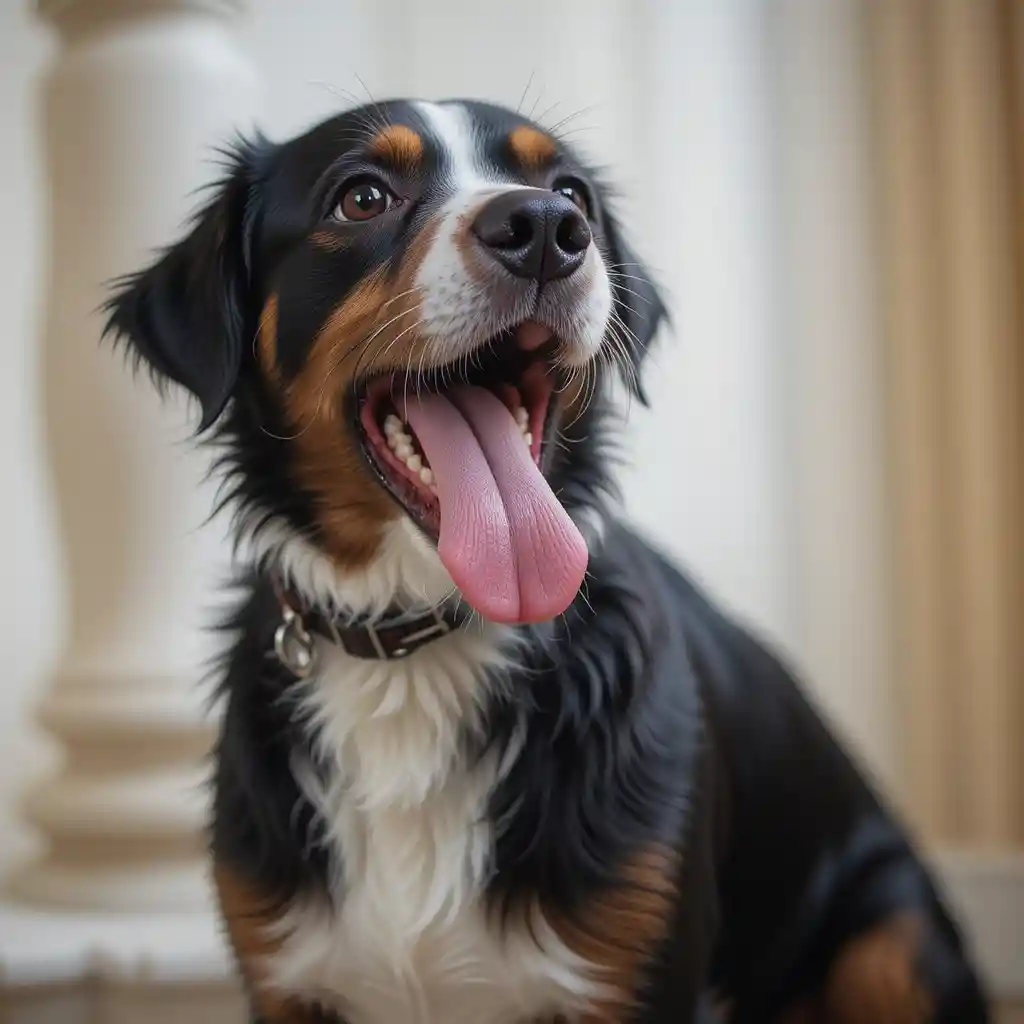
- Panting and Drooling (in Canines)
Excessive panting or drooling, even when not hot, is a clear sign of stress.
- Over-Vocalization or Barking
Vocalization is the way animals express discomfort, confusion, or anxiety.
- Pacing and Restlessness
If your pet cannot settle or continues pacing, it is often due to stress or fright.
- Hiding or Avoidance
Hiding under furniture, behind objects, or in corners could be an effort by some pets to escape.
- Shaking or Trembling
Inevitable shaking can be observed in small or anxious dogs.
- Changes in Appetite
Refusal to drink or eat is a significant sign of stress.
- Digestive Issues
Stress can lead to vomiting, diarrhea, or constipation.
- Aggression or Unusual Behavior
Your friendly pet could snap or become unusual.
Why Do Pets Get Stressed When Traveling?
Traveling exposes animals to a mix of new sights, sounds, smells, and sensations. These change their nervous system and sense of security.
Common causes are:
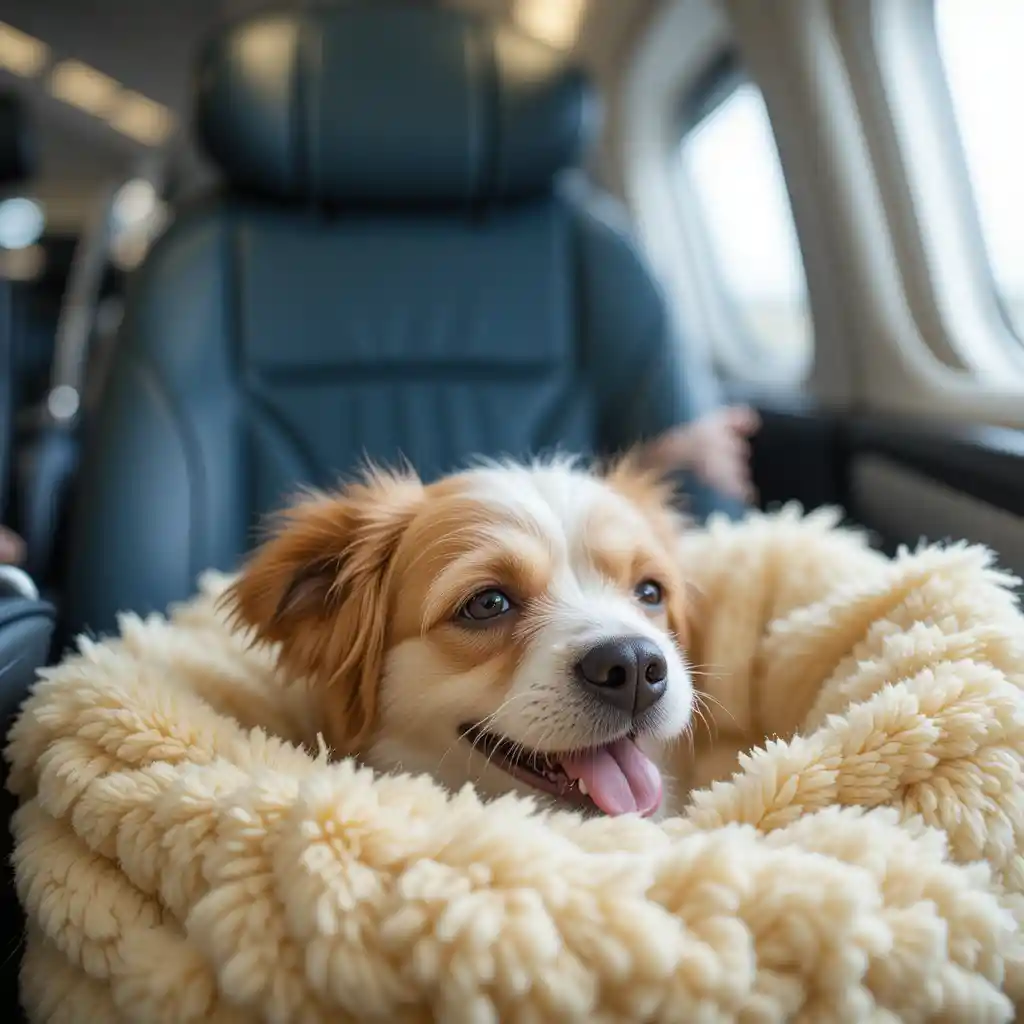
- Loud environments (airports, vehicles, public spaces)
- Motion and seasickness
- New people or other animals
- Temperature or pressure shift (especially in cargo)
- Lack of access to familiar comfort objects
High-Risk Pets for Travel Stress
Some pets are more prone to stress due to age, breed, or health:
Older pets: Have arthritis or require medication
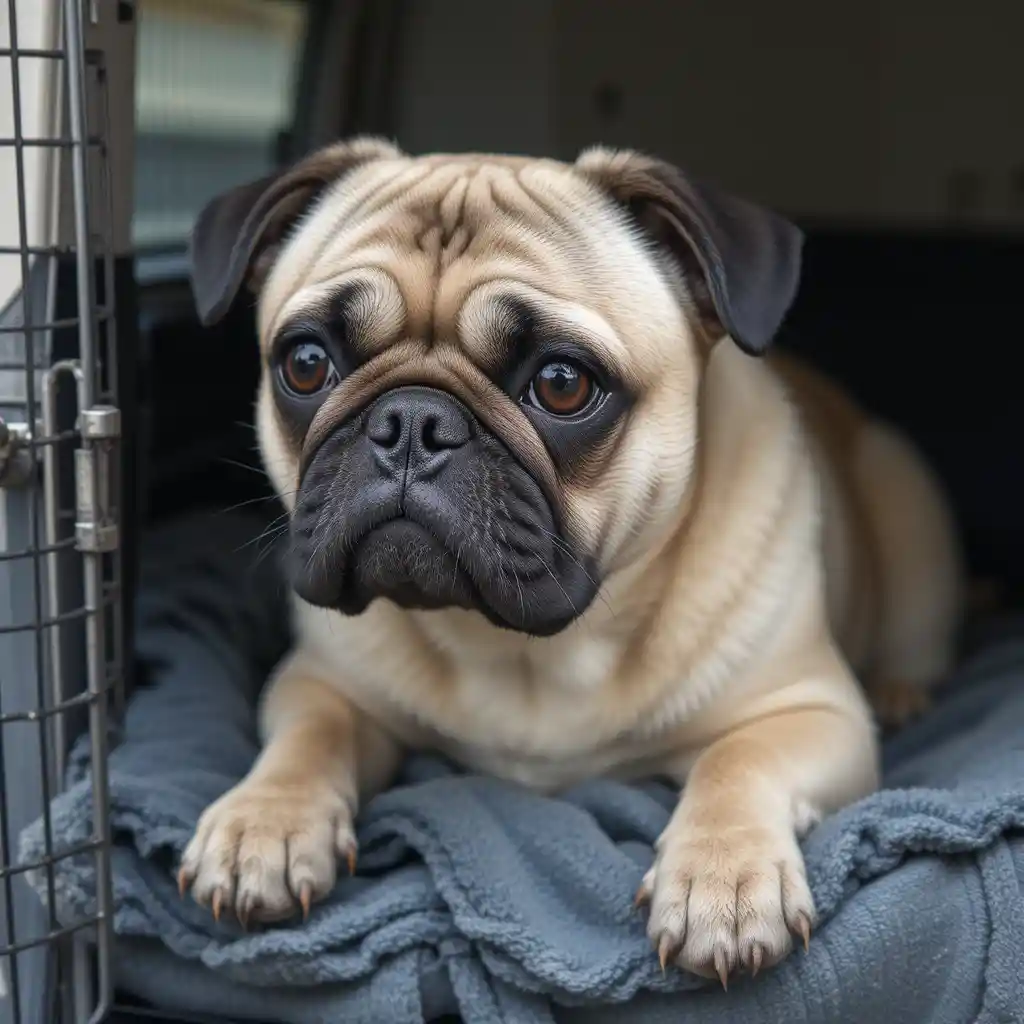
Brachycephalic breeds: Pugs, Bulldogs, and Persian cats have breathing difficulties when they are stressed
Rescue animals: May associate crates or travel with trauma
Anxious pets: Naturally high-strung pets are more reactive
Pre-Travel Tips to Reduce Stress
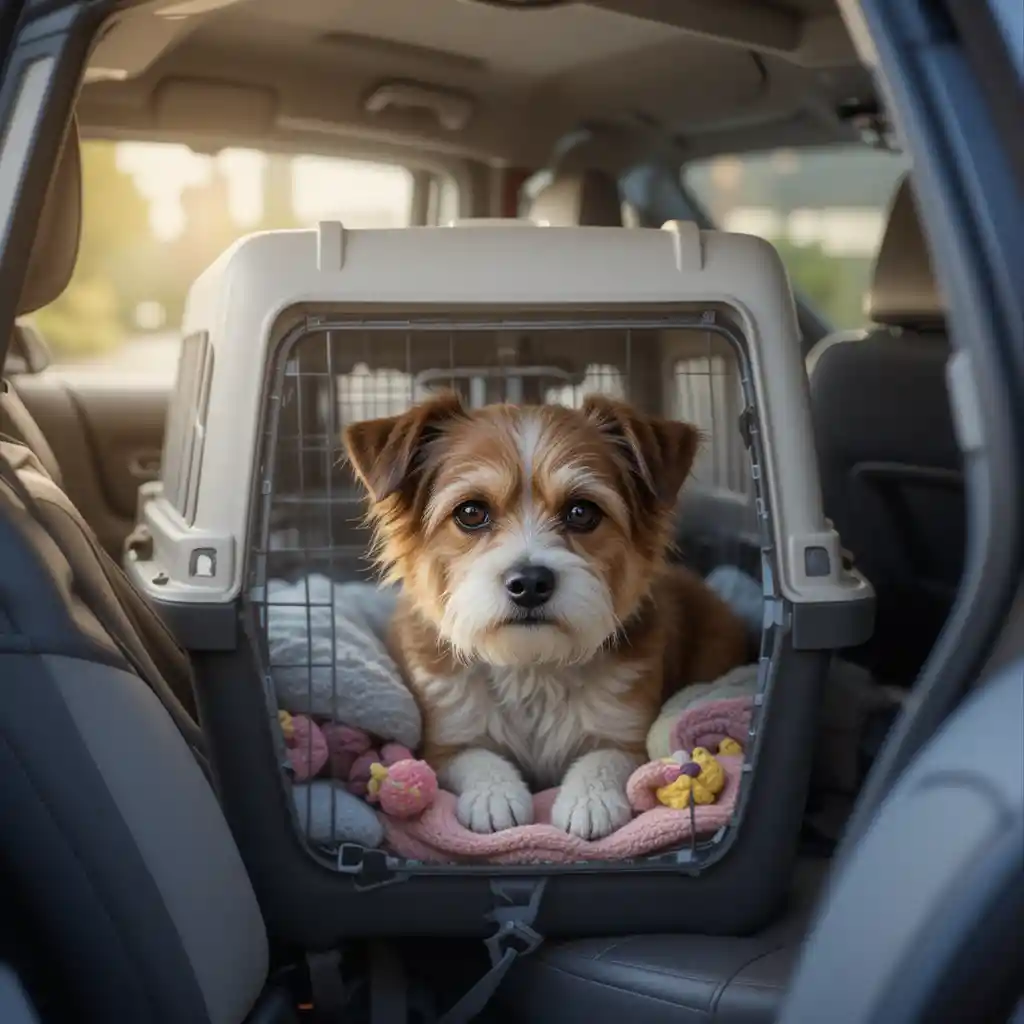
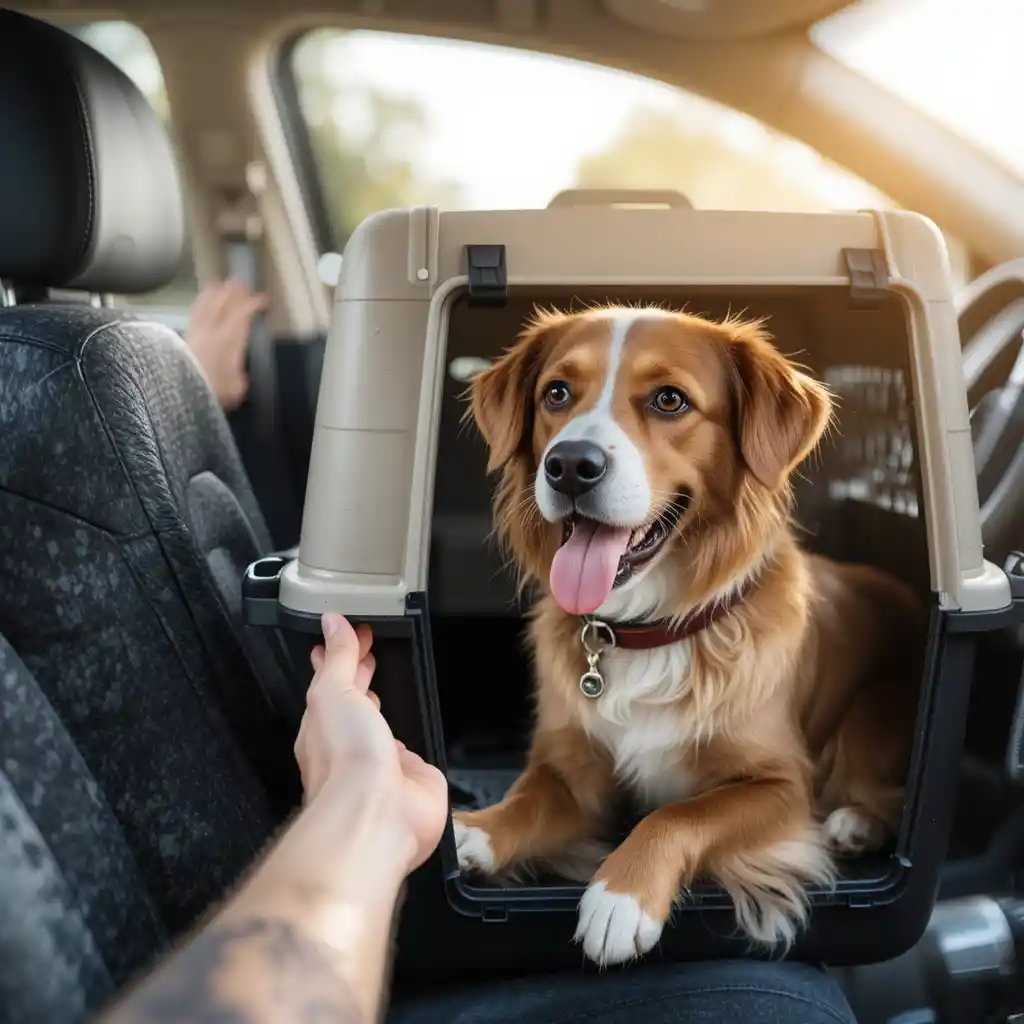
- Crate Training
Get your pet accustomed to their carrier far ahead of the trip. Make them sleep and eat inside at home. - Familiar Items
Include toys, blankets, or clothing with a home smell to provide comfort. - Trial Runs
Go for shorter trips or stay in the crate first before a long trip. - Calming Products
Consult your vet:
- Pheromone sprays (e.g., Adaptil for dogs or Feliway for cats)
- Natural supplements (valerian root, L-theanine, CBD oil)
- Prescription anti-anxiety medication if needed
In-Transit Stress Management
- Stay Calm Yourself Your pet’s emotional state is guided by yours. Stay calm and talk soothingly.
- Have Company If at all possible, leave the carrier within view or extend your hand to comfort your pet.
- Ventilate Properly Supply good air circulation in your vehicle or carrier. Remove it from direct sunlight.
- Don’t Feed Too Heavily A light meal earlier reduces risk of nausea and discomfort.
- Break Planning On long road trips, stop every 2-3 hours for restroom breaks and brief walks.
After the Trip: Monitor Recovery
When you reach your destination, give your pet a chance to unwind:
- Set aside a quiet space for them to relax
- Avoid altering feeding and potty schedules
- Monitor them to see if the signs persist
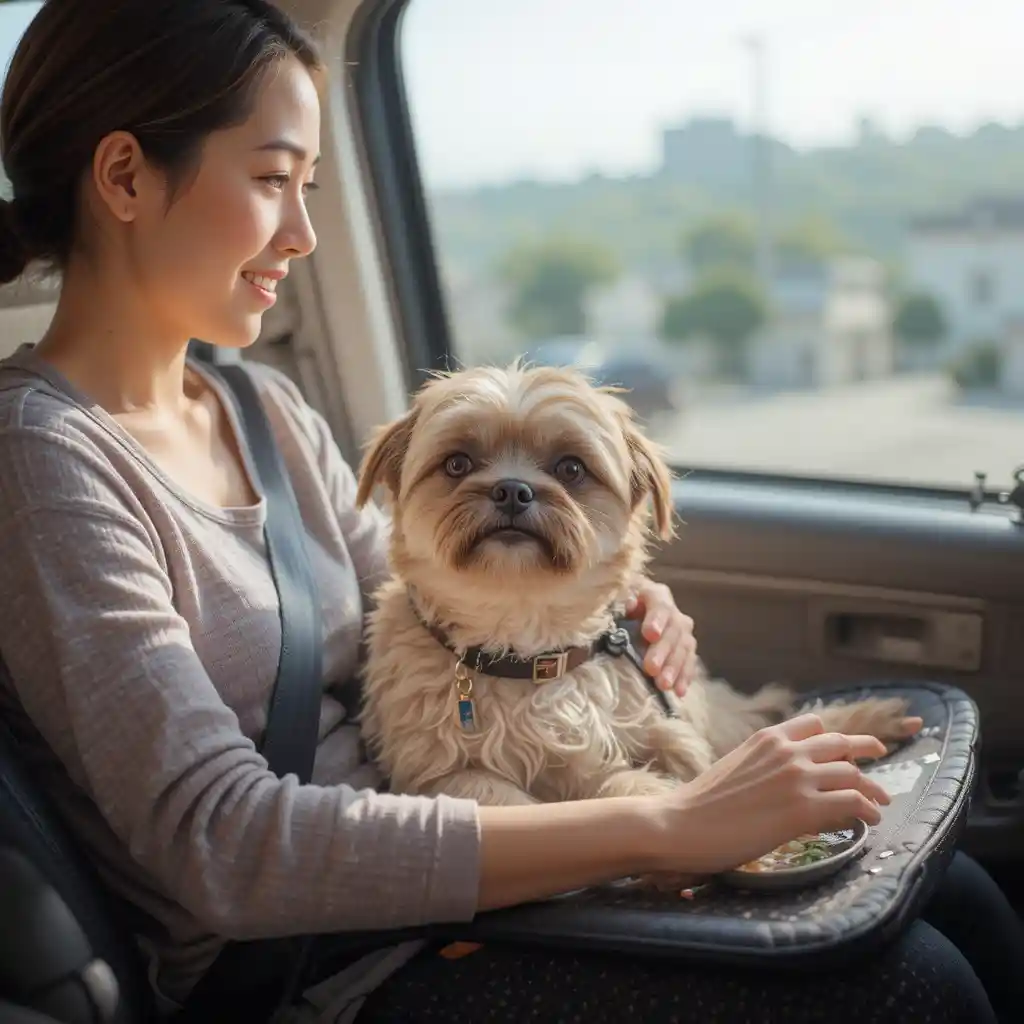
Seek a local veterinarian’s advice if signs appear more than 48 hours.
Expert Quote
“Just like us, animals can become disoriented and anxious in unfamiliar settings. Recognizing early signs of stress can make all the difference in your pet’s travel experience.” — Dr. Ernie Ward, DVM, Founder of the Association for Pet Obesity Prevention
Internal Links
- How to Help Pets with Jet Lag
- Is Pet Travel Insurance Worth It?
- How to Get a Pet Travel Health Certificate
FAQs: Pet Travel Stress
Q1: How do I relax my pet during flying?
A: Familiar items, pheromone sprays, and visibility where possible.
Q2: Can I sedate my pet for travel?
A: Only under the advice of a veterinarian. Some medications worsen symptoms.
Q3: Is it wise to travel with a stressed pet?
A: If the symptoms are severe, delay traveling or find alternative care.
Q4: Are cats more stressed than dogs?
A: It varies with the animal, but cats tend to hide stress until it is really bad.
Q5: What if my pet refuses to eat after a trip?
A: Give them 24-48 hours to acclimatize. If appetite is not regained, call a vet.