
Top Pet Jet Lag Remedies 2025
What is Pet Jet Lag?
Jet lag isn’t only a human problem — pets can get it too. When pets travel across several time zones, their internal body clocks (circadian rhythms) become disrupted, leading to fatigue, confusion, and stress. For pet owners traveling abroad, knowledge and control of jet lag is important to keep your furry friend healthy and stress-free.

This guide is a summary of everything you ought to know regarding pet jet lag, including symptoms, risk, and proven treatments to help their acclimatization into a new time zone.
Understanding Pet Circadian Rhythms
Like humans, animals also possess a biological clock regulating sleep, meal, and behavior cycles. With long-distance travel, especially east-west, these cycles are disrupted. While dogs and cats acclimate faster than humans, the impacts can nevertheless influence their well-being for days.
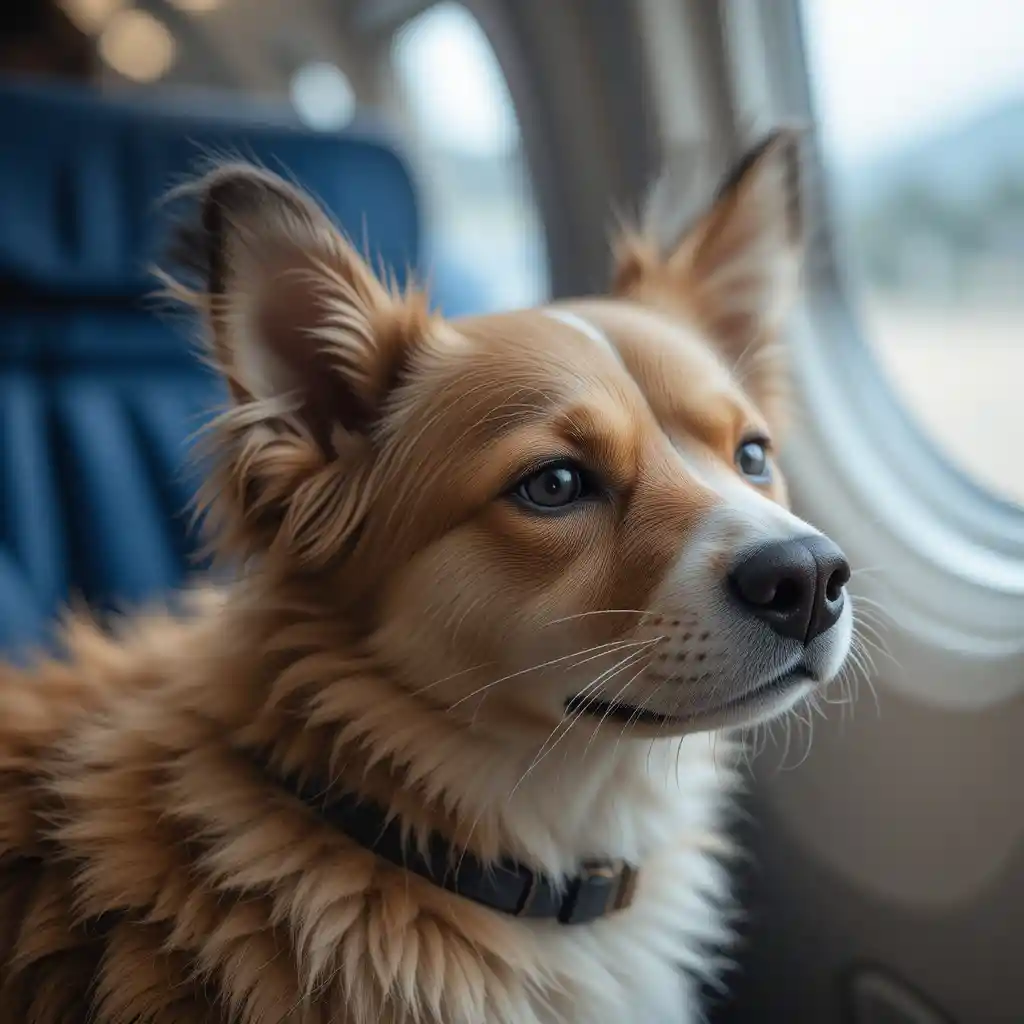
Common symptoms of pet jet lag include:
- Irregular sleep
- Restlessness or lethargy
- Loss of appetite
- Anxiety or pacing
- Digestive issues
Some pets are more sensitive to change, particularly senior animals or those with anxiety disorders.
When Jet Lag Happens: Risk Factors
Jet lag is more probable to occur under the following conditions:
- Traveling 3 or more time zones
- Abrupt change in routine (walking, eating, bedtime)
- Red-eye or overnight travel
- Cargo transport vs. cabin transport
- Inadequate sunlight or exercise upon arrival

Breed and age are also involved. Older pets or brachycephalic breeds like Bulldogs and Persians fare more poorly.
Pre-Flight Preparation: Set Your Pet Up for Success
- Gradual Transition of Time Start altering your pet’s feeding and sleeping pattern 3-5 days before departure. Shift the routine 15-30 minutes daily to align with the time in the city of destination.
- Exercise Before Travel Get your pet out for a long walk or playtime session before departure. Exercise reduces stress, and they can relax during the journey.
- Pre-Flight Light Meal Provide your pet with a light meal some hours before flight to avoid motion sickness. Fluids are more critical than solids during transportation.
- Optimize Flight Arrival Time Choose flights that arrive during the daytime whenever possible. Natural sunlight readsjusts circadian rhythms faster.
Remedies for Pet Jet Lag After Arrival
- Enforce the New Schedule Right Away Even though your pet may appear tired, try to enforce the host time zone on exercise, feeding, and sleep. Consistency is key.
- Provide Exposure to Natural Light Put your pet outside under natural light. Exposure to morning sunlight resets their internal clock more than artificial light.
- Hydrate Them Offer water in regular intervals to counteract dehydration brought about by airplane travel and allow for digestion.
- Utilize Natural Supplements Utilize soothing supplements like:
- Melatonin for pets (check with your vet first)
- CBD oil (hemp-derived, vet-approved)
- Chamomile treats or lavender aromatherapy
- Be Low Stress Avoid noisy environments and overstimulation for the initial several days. Give a quiet space for your pet to unwind and rest.
- Monitor Health Watch for vomiting, diarrhea, or extreme lethargy. If symptoms last beyond 48 hours, visit a local vet.
Long-Term Travel? Build a Health Routine Abroad
If you’re staying abroad for more than a few weeks, it’s important to establish a healthy daily routine for your pet.
Tips for long-term adaptation:
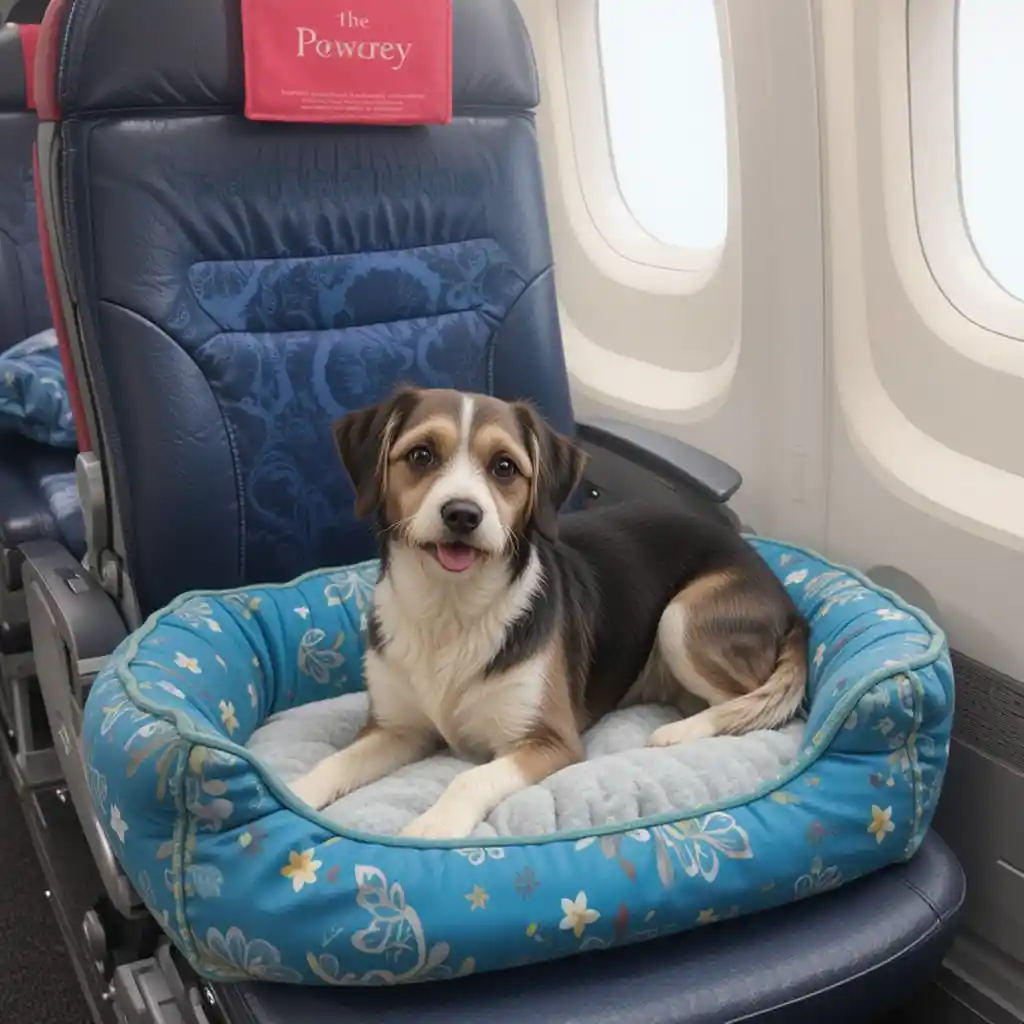
- Use an airline pet bed with familiar smells
- Avoid switching food brands quickly
- Consistently give medication or supplements
- Schedule meal times and walks at the same hour every day
Can You Prevent Pet Jet Lag Entirely?
Not always — but you can dramatically reduce its impact. Preparation, routine, water intake, and sunlight exposure are the most useful items in your arsenal. Every pet is different, so it will take some observation and experimentation to determine what works best for yours.
Expert Quote
“Pets thrive on consistency. When traveling across time zones, a stable routine and sunlight exposure are the best ways to ease the adjustment.” — Dr. Jennifer Coates, DVM, PetMD Contributor
Related Posts
- What Vaccines Are Required for International Pet Travel
- Do You Need Pet Travel Insurance?
- How to Get a Pet Travel Health Certificate
FAQ: Top Pet Jet Lag Remedies
Q1: How long does pet jet lag last?
A: 2–3 days in most pets, but longer in older pets.
Q2: Can I give my dog or cat melatonin for jet lag?
A: Only on veterinary recommendation. Dosage varies by species and weight.
Q3: Is jet lag worse in pets that fly in the cargo hold?
A: Yes. Cargo flights are more stressful and less comfortable than cabin flights.
Q4: Do cats get jet lag like dogs?
A: No.
A: Yes, although cats adapt better due to solitary sleeping routines.
Q5: Can I feed my pet a meal at the destination time before I depart?
A: Gradual change of feeding hours before departure makes transition easier.
By planning ahead and understanding how travel impacts your pet’s body clock, you can minimize the effects of jet lag and ensure a safer, smoother adventure together.