
Pet Travel Health 2025
Traveling internationally with your pet can be a thrilling adventure — but it also comes with serious responsibilities.
One mistake with documents, vaccines, or health certifications can stop your journey before it even begins.

In this complete guide, we’ll walk you through everything you need to know about keeping your pet healthy and travel-ready:
✅ Vaccination requirements
✅ Health certificates
✅ Pet travel insurance
✅ Managing jet lag and stress
✅ Special rules for exotic animals
…and more!
Whether you’re planning a quick vacation or moving abroad, proper preparation is essential. Let’s dive in.
“International pet travel requires not only preparation but precision. One overlooked vaccine, a missed certificate, or an incorrect form can delay your journey — or worse, prevent it entirely. Always consult with a trusted veterinarian and adhere strictly to the guidelines to ensure your pet’s health and safety while abroad.” – American Veterinary Medical Association (AVMA)
✈️ 1. Vaccination Requirements for International Pet Travel
Before you book that flight, make sure your pet is vaccinated according to the destination country’s laws.
- Rabies vaccination is almost always a requirement.
- Some countries require additional vaccines like distemper, parvovirus, or leptospirosis.
- Vaccine timing is crucial! Some countries require shots at least 30 days before traveling.
- Titer tests may also be required to prove immunity.
Requirements are drastically different from country to country.
To prevent last-minute issues, inspect the embassy site of the destination or visit your vet in advance.

👉 Want a detailed list of required vaccines for every major country?
Read our guide: What Vaccines Are Required for International Pet Travel →
📝 2. How to Obtain a Pet Travel Health Certificate
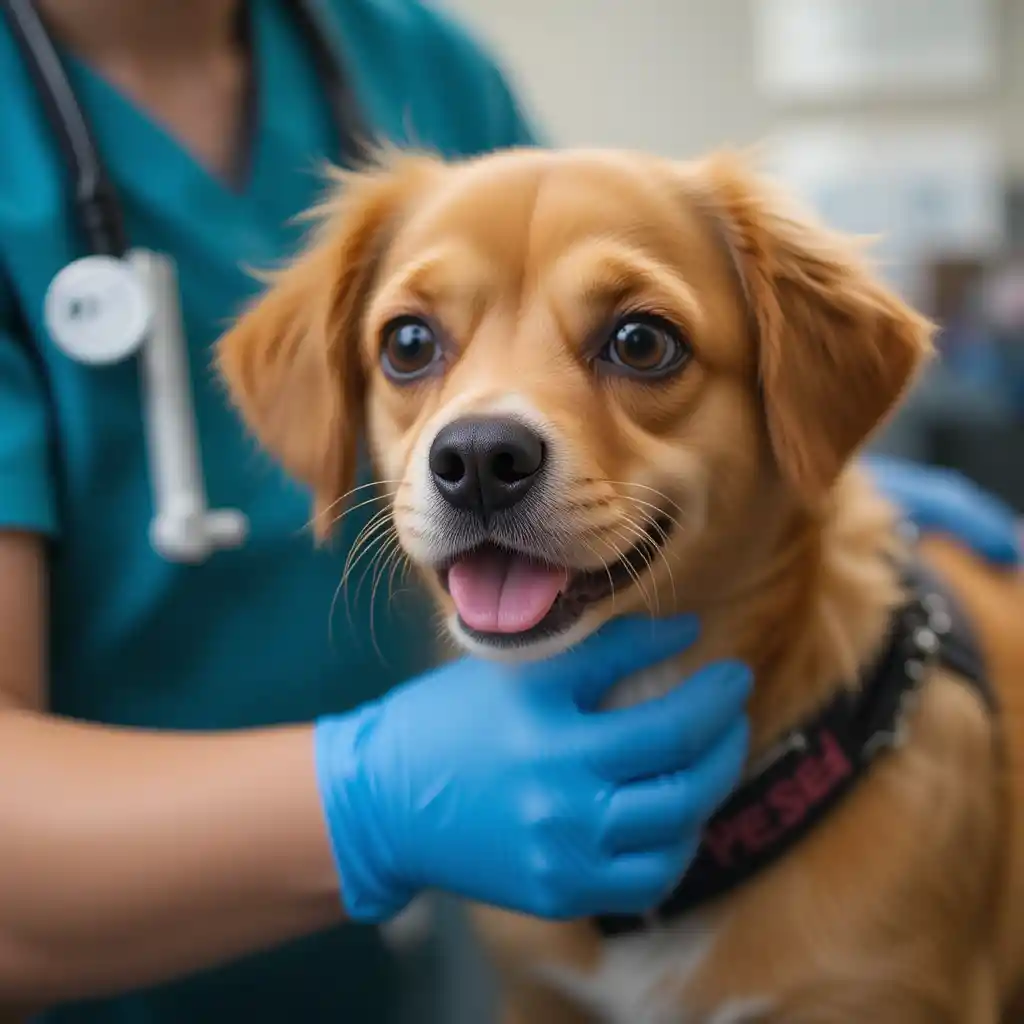
A Pet Travel Health Certificate (also known as a “Certificate of Veterinary Inspection”) guarantees your pet’s health and readiness to travel.
This is the typical process:
- Schedule a vet visit 7–10 days in advance.
- Receive a physical examination to confirm your pet is disease-free.
- Obtain any required vaccinations or tests.
- Your vet fills out the certificate, often requiring approval from a government agency (e.g., USDA in the USA).
Important:
Always double-check the timeline. Some certificates are valid only for 10 days!
If you’re flying internationally, your health certificate might also need to be endorsed by a government authority.
👉 Need step-by-step instructions?
Read our guide: How to Get a Pet Travel Health Certificate →
🌎 3. Country-Specific Pet Vaccine Rules You Must Know
Did you know that:
Australia requires blood tests six months before arrival?
Japan requires a comprehensive 180-day quarantine itinerary?
European Union countries require microchips that align with health records?
Country regulations can turn your travel plan into a nightmare if you miss one tiny detail.
Even regions of the same country (like Hawaii in the USA) may have special quarantine regulations.

👉 For a country-by-country breakdown of pet vaccine and document rules:
Read our complete resource: Country-Specific Pet Vaccine Rules →
🛡️ 4. Do You Really Need Pet Travel Insurance?
Short answer: YES.
Accidents, sickness, cancellations, and even lost pets do happen on the road.
Pet travel insurance can pay for:
- Emergency vet visits abroad
- Cancellation of holidays when your pet falls ill
- The cost of recovering a lost or stolen pet
- Some policies even cover quarantine costs!

It’s surprisingly affordable — usually under $10–15 per travel day — and can save you thousands.
👉 Learn the full pros and cons:
Read: Do You Need Pet Travel Insurance? →
🏆 5. Best Pet Insurance Options for Travelers
Choosing the right pet travel insurance can be overwhelming.
You want a policy that has international coverage without too much fine print.
Some of the important features to look for:
- Emergency veterinary expense coverage abroad
- Trip delay, trip interruption, or quarantine stay coverage
- 24/7 worldwide vet helplines
- Easy online claims process

👉 We reviewed the top companies — see which one is right for your trip:
Read: Best Pet Insurance for Frequent Travelers →
🛬 6. What Pet Insurance Actually Covers During Travel
Not all insurance policies are created equal.
Some sneaky things not covered by most inexpensive policies:
- Pre-existing conditions
- Routine check-ups abroad
- Special procedures (like surgeries for age-related issues)
Always read your pet insurance policy carefully before buying.

👉 Get a full breakdown of typical inclusions and exclusions:
Read: What Pet Insurance Covers Travel Issues →
😴 7. Managing Jet Lag and Travel Stress in Pets
Like humans, pets are affected by jet lag, dehydration, and traveling stress.
Travelling stress symptoms in pets are:
- Overdrooling or overpanting
- Hiding
- Diarrhea and vomiting
- Loss of appetite

To ease them:
- Keep as much as a familiar schedule as possible.
- Take along familiar blankets, toys, or treats.
- Transition feeding gradually to the arrival time zone.
👉 More practical remedies here:
Read: How to Help Pets with Jet Lag →
Read: Signs of Travel Stress in Cats and Dogs →
🍽️ 8. How to Manage Feeding Schedules on Long Trips
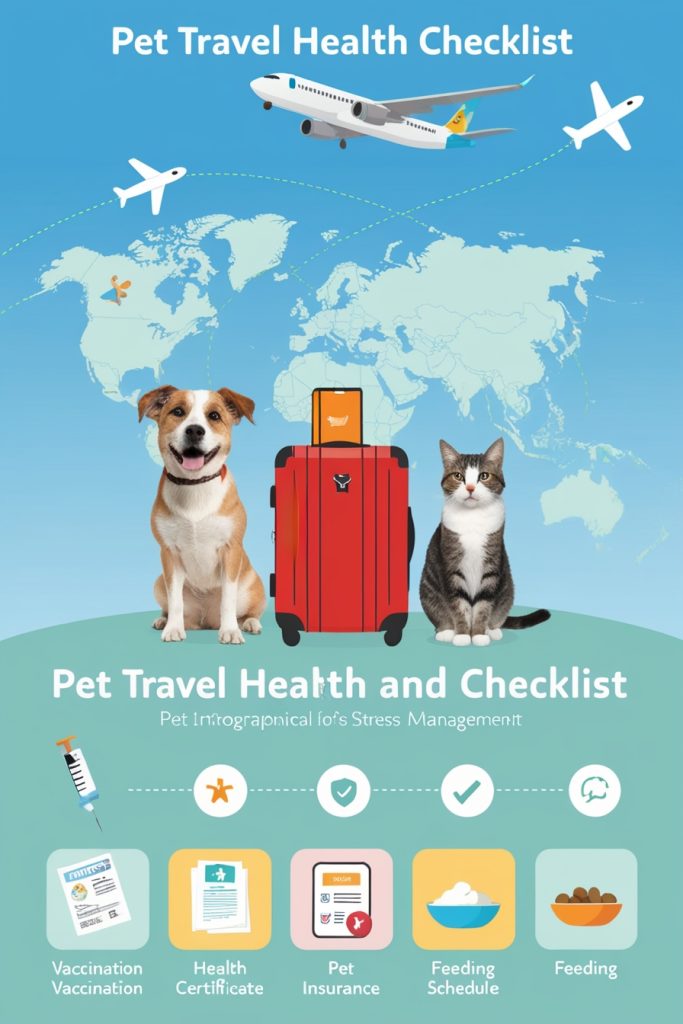
Routine feeding schedules reduce nausea, stress, and dehydration on long flights.
General advice:
- Do not feed animals in the last 4 hours prior to flying (to prevent nausea).
- Carry portable bowls and bottled water.
- Stick to the same food brands and amounts to which they are used.

👉 Full guide to feeding and hydration while traveling:
Read: Feeding Schedules During Long Trips →
🦜 9. Special Considerations for Exotic Pets
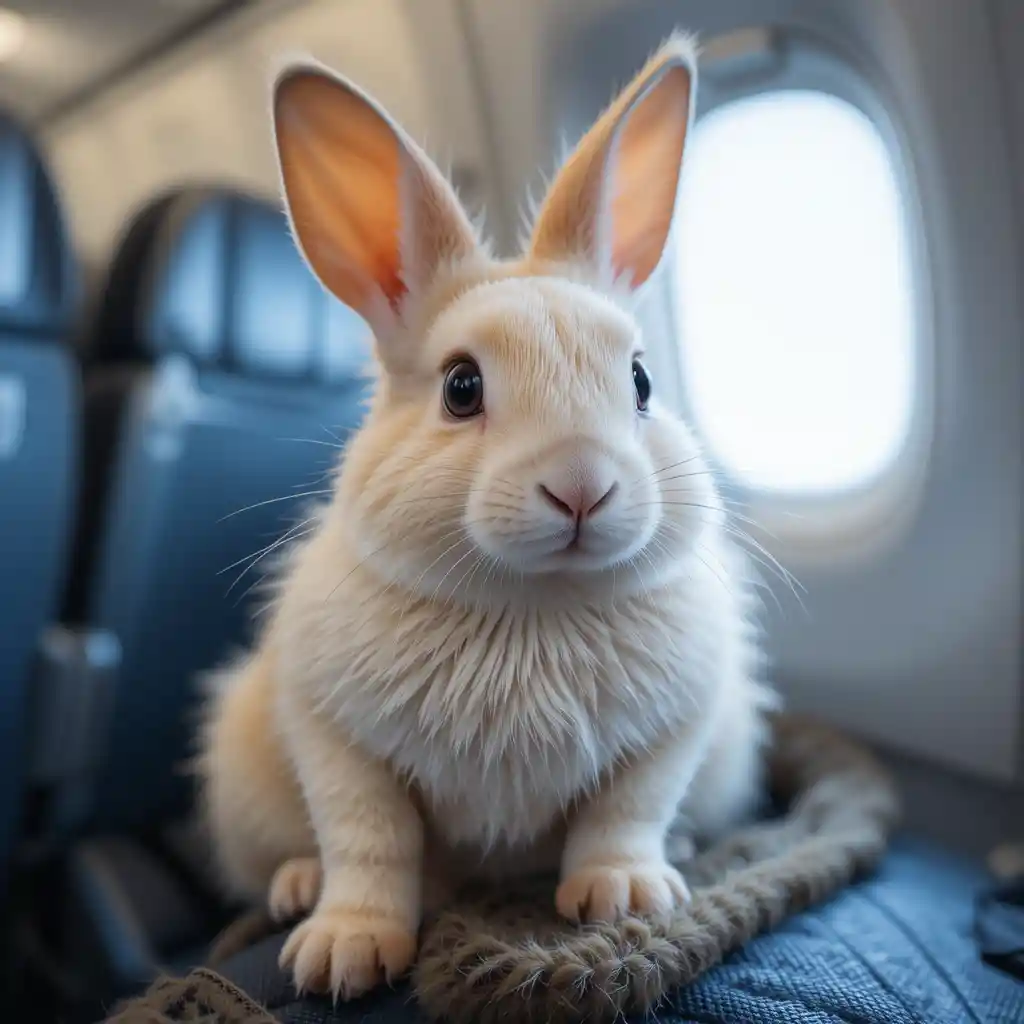
Traveling with rabbits, birds, reptiles, or small mammals adds yet more complexity.
Exotic pet travel tips:
- Some airlines ban exotic pets in-cabin.
- Temperature control and specialist carriers may be needed.
- Customs regulations are much stricter — some pets are strictly forbidden.
- Quarantine times tend to be longer for exotic pets.
👉 Learn all about exotic animal travel here:
Read: Can You Travel with Exotic Pets? →
Read: Airline Rules for Birds, Rabbits, and More →
Read: Import & Export Rules for Exotic Pets →
🏁 Prepare Your Pet for a Safe and Healthy Journey
When it comes to pet travel health and documentation, preparation is everything.
By planning ahead with:
- The correct vaccinations,
- Up-to-date health certificates,
- Pet insurance,
- Managing travel stress properly,
- Understanding rules for exotic pets.
You’re giving your furry (or feathered) friend the best chance for a safe, comfortable, and unforgettable adventure!
| Step | What You Need | Important Details | Pro Tips |
|---|---|---|---|
| ✈️ 1 | Vaccinations | Rabies is mandatory. Some countries need extra shots like distemper, leptospirosis. Timing matters! | Check embassy or airline websites 2–3 months ahead. |
| 📄 2 | Health Certificate | Vet exam needed 7–10 days before departure. Sometimes needs government approval. | Book vet and endorsement appointments early to avoid stress. |
| 🛡️ 3 | Pet Travel Insurance | Covers emergencies, trip cancellation, lost pets. Affordable and crucial. | Pick plans that include quarantine coverage and emergency vets. |
| 🌍 4 | Country-Specific Rules | Each country has unique rules: blood tests, microchips, quarantine. | Always double-check destination AND airline policies. |
| 😴 5 | Stress & Jet Lag Management | Pets suffer from jet lag too. Watch for signs like vomiting, hiding, loss of appetite. | Bring familiar blankets, toys, adjust feeding schedule slowly. |
| 🥣 6 | Feeding on Long Trips | Prevent nausea by not feeding 4h before flight. Keep hydrated. | Stick to their usual food brand to avoid stomach upsets. |
| 🦜 7 | Special Rules for Exotic Pets | Birds, rabbits, reptiles need extra permits and strict travel conditions. | Some animals are banned! Research airline and customs rules early. |
✈️ Explore our complete cluster guides above to dive deeper into each topic.
Safe travels to you and your pet! 🐾
1. How do I get my pet ready for travel?
Getting your pet ready begins weeks in advance. Here’s what you need to do:
Book a vet visit.
Update vaccinations.
Ask for a travel health certificate if necessary.
Acclimatize your pet to their carrier or crate.
Prepare a pet travel kit with food, water, medications, and comfort items.
Pro Tip: Acclimatize them with short trips first to gain their trust.
Do pets require a health certificate to travel?
Yes, for the most part.
If you are flying or crossing state or national borders, a Certificate of Veterinary Inspection (CVI) or health certificate will normally be necessary. It will assure that your pet is healthy and free of contagious disease, as well as current on shots.
Note: Health certificates normally have a short life of only 10–30 days, so plan carefully for your vet visit.
3. What vaccinations do pets need to travel?
Requirements vary according to where you are going.
But the most common required shots are:
Rabies (almost always required)
Distemper
Parvovirus
Bordetella (especially for flying)
Leptospirosis (for some countries)
Tip: Always check the specific requirements of your airline, country, or state ahead of time.
4. Is it all right for pets to travel in the cargo?
Yes, but it is airline-, season-, and breed- and health-dependent.
Air carriers have special pet cargo flight policies. Brachycephalic (short-nosed) pets like Bulldogs and Persians are more vulnerable and typically cannot be accommodated in cargo.
Best Practice: Whenever possible, arrange for your pet to travel with you in the cabin. When cargo is unavoidable, fly non-stop, fly in temperate temperatures, and use an airline-approved crate.
5. Do I need to sedate my pet for air travel?
No, unless specifically advised by a veterinarian.
Sedation can interfere with your pet’s breathing and make it harder for them to regulate body temperature, especially at high altitude.
Instead, use natural calming techniques:
Familiar bedding or toys
Thunder shirts or calming wraps
Pheromone sprays (such as Adaptil for dogs or Feliway for cats)
6. What should I pack in my pet’s travel health kit?
A good pet travel health kit includes:
Prescription medication
Flea and tick protection
Travel-sized food and water bowls
Bottled water
Vaccination and health records
A pet first aid kit (bandages, tweezers, antiseptic wipes, etc.)
Comfort items like a blanket or favorite toy
7. How do I prevent motion sickness in pets on road trips?
Some pets become nauseous in the car.
To prevent it:
Don’t feed big meals before traveling.
Take regular breaks for fresh air.
Ventilate the vehicle well.
Use vet-recommended medications if necessary (like Cerenia).
Also, slowly acclimating your pet to car rides can help build tolerance.
8. How often should I stop on long car rides with pets?
Stop every 2 to 3 hours to allow your pet to stretch, drink, and relieve themselves.
Frequent stops prevent restlessness and illness complications like urinary tract infection or heat stroke.
Bonus Tip: Stop at pet-friendly rest stops or parks on the route.
9. What are the pet quarantine rules for foreign travel?
Most countries require a quarantine stay upon arrival.
Examples:
Australia: Up to 10 days
Japan: Up to 180 days if requirements are not met
United Kingdom: No quarantine if PETS Travel Scheme rules are followed
Key: Book at least 6 months beforehand for international pet travel.
10. How can I find a vet overseas?
Plan ahead always.
Use apps like VetFinder or Pawprint.
Ask your accommodation for local vet referrals.
Maintain a list of 24/7 emergency animal clinics along your way.
Having a place to go in an emergency can save precious time.
11. How does climate influence pet travel health?
Hot or cold climates can adversely affect your pet’s health.
In hot weather:
Never leave pets in parked cars.
Supply lots of water.
Employ cooling vests or mats.
In cold weather:
Pad paws with booties.
Restrict outdoor time.
Dress small or short-haired pets in sweaters or jackets.
Temperature extremes will lead to heatstroke or hypothermia in a matter of moments.
12. Are emotional support animals regulated by pet travel health regulations?
Yes.
Though traveling with an emotional support animal (ESA), you are still required to comply with airline, state, and country health regulations, such as vaccinations, health certificates, and occasionally quarantine.
Most airlines today consider ESAs like regular pets under policy of travel.
13. How long in advance do I need to prepare my pet for international travel?
You must start at least 6 months before the date of departure.
Some countries require a rabies titer test (blood test) that must be done months in advance. Missing deadlines can delay or cancel travel.
Tip: Research country-specific requirements as soon as you know you will be traveling internationally with your pet.
14. Can pets travel if they are pregnant?
It is not recommended that pregnant animals travel, especially by air.
Airlines often will not carry pregnant animals beyond a certain time (usually after 30 days of pregnancy). Travel can lead to stress, premature labor, or miscarriage.
Always consult your veterinarian before making travel arrangements.
15. What paperwork do I need for pet travel?
Documents commonly required include:
Health certificate (Certificate of Veterinary Inspection)
Proof of vaccinations (especially rabies)
Import permits (for certain countries)
Microchip registration documents
Pet passport (for EU travel)
Have both hard copies and electronic versions of all documents with you at all times.
16. How do I keep my pet calm when traveling?
Some successful ways of calming your pet when traveling:
Use pheromone sprays (Adaptil or Feliway)
Play calming music
Bring familiar items such as toys or blankets
Stick to a normal feeding and walking schedule
Practice crate training well before travel day
In extreme circumstances, your vet can prescribe anti-anxiety medication.
17. Are there airline pet health policies?
Yes.
Each airline has individual pet health and safety guidelines, such as:
Age limitations (typically pets should be 8–12 weeks old minimum)
Health certificate duration
Breed limitations (particularly brachycephalic breeds)
Crate dimensions and ventilation requirements
Always review your airline’s pet policy carefully prior to booking.
18. Can my pet experience jet lag?
Believe it or not, yes!
Pets can face disturbances in their sleeping and feeding routines when crossing time zones. Symptoms include:
Lethargy
Irritability
Changes in appetite
Tip: Alter your pet’s schedule gradually a few days before travel to minimize jet lag.
19. How do I protect my pet from parasites when traveling?
Before traveling, ensure your pet is protected against:
Fleas
Ticks
Heartworms
Intestinal parasites
Use vet-recommended preventatives, and don’t let your pet go unprotected in high-risk outdoor areas.
20. Should I buy travel insurance that covers my pet?
It’s a wise choice if you’re going overseas or for a long duration.
Certain travel insurance policies offer pet coverage that encompasses:
Emergency vet care
Trip cancellation if pet falls ill
Recovery services for lost pets
Read policy details carefully to ensure pets are covered.
21. How do I prevent dehydration in my pet while traveling?
Dehydration is a common travel danger.
To prevent it:
Offer small quantities of water frequently.
Bring portable water bowls or pet water bottles.
Avoid excessive heat exposure.
Pro Tip: Pre-freeze water in a travel bowl; it will melt gradually and encourage slow consumption.
22. What is the perfect crate or carrier for traveling with pets?
Take into consideration:
Airline-approved crates (IATA compliant)
Hard-sided carriers for durability
Proper ventilation (at least three sides)
Proper room for your pet to stand, turn, and lie down comfortably
Identify the crate with your contact information and “Live Animal” stickers.
23. What should I not give my pet to eat before and during travel?
Do not give foods that are:
Greasy or rich (can cause upset stomach)
New or different (can cause allergic reactions)
Very salty (causes greater risk of dehydration)
Stick to your pet’s regular food and treats to minimize stomach issues during travel.
24. Can my pet travel if it has a chronic illness?
Yes, but only with careful planning.
If your pet suffers from a chronic condition like diabetes, arthritis, or heart disease:
Get your vet’s okay in advance.
Take medications and prescriptions with you.
Have a clear emergency plan.
Note: Some conditions make air travel particularly risky.
25. How do I confirm that a hotel is truly pet-friendly and safe?
Before booking:
Confirm pet policies (size, breed restrictions, extra charges).
Ask about nearby parks, pet walking areas, or pet-sitting services.
Read recent guest reviews mentioning pets.
Check if there are emergency vets nearby.
Avoid last-minute surprises by calling the hotel directly if possible.